









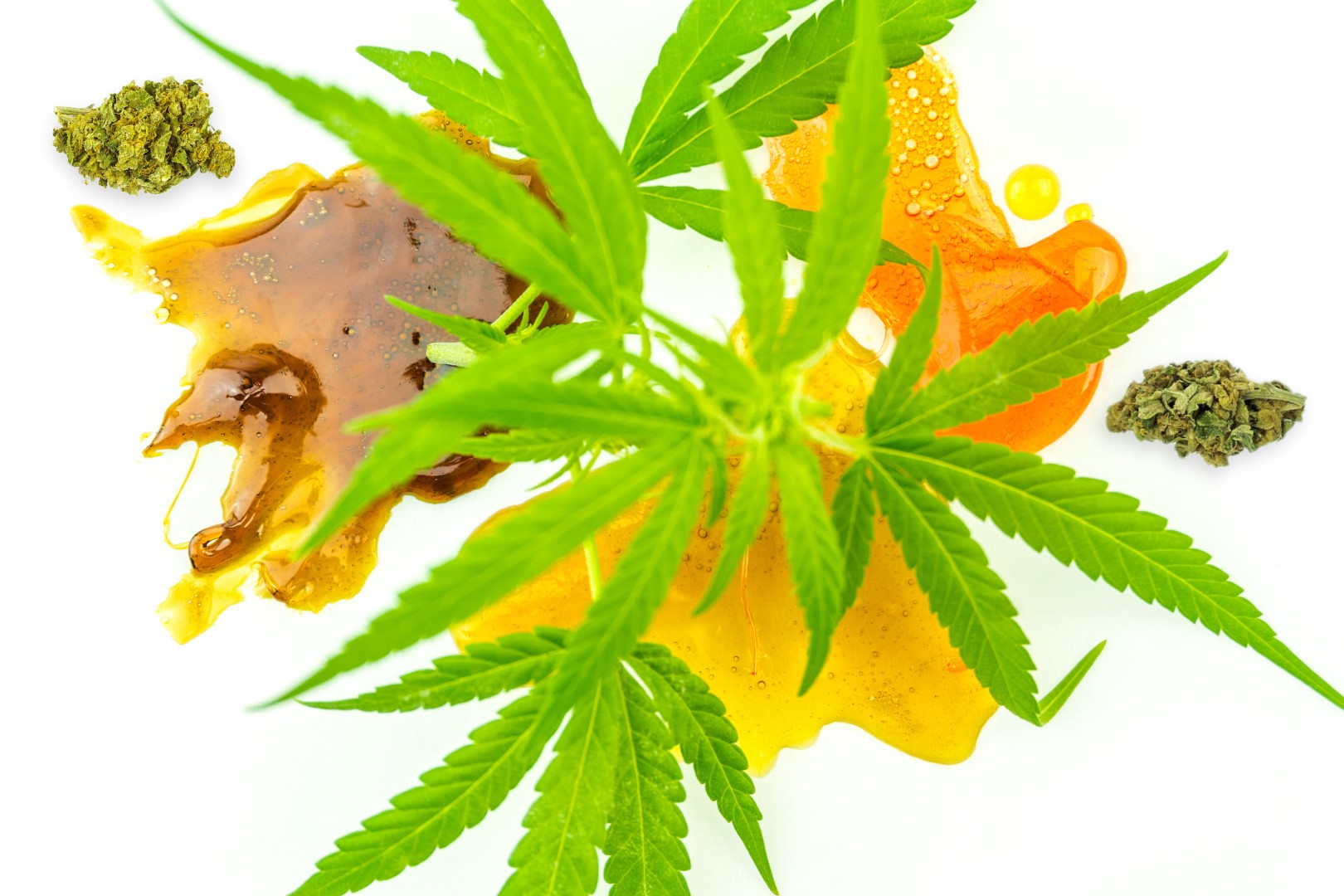
The hot knife method is a classic technique in smoking culture that has stood the test of time. This unique method has evolved from its early days as a rudimentary way to consume cannabis concentrates to a staple among enthusiasts seeking an intense and flavorful experience. Let’s explore the fascinating history of the hot knife method, its cultural significance, and its enduring appeal in the smoking community.
Origins of the Hot Knife Method
The hot knife method has roots that trace back to the 1970s and 1980s, during a time when cannabis culture was flourishing despite legal restrictions. This period marked the beginning of a more innovative and resourceful era for cannabis users, who sought creative ways to enjoy their herb. With limited access to sophisticated tools and equipment, users often had to rely on everyday household items to achieve their smoking goals.
Hot knifing was born out of necessity and ingenuity. It involves heating two metal knives on a stove or using a torch until red hot. Once the knives reach the desired temperature, a small amount of cannabis concentrate, like hash or resin, is placed between the blades. The resulting vapor is then inhaled through a funnel or a homemade tube to maximize the inhalation of the produced vapor. This method was particularly popular because it was simple, effective, and required minimal equipment.
Cultural Significance and Popularity
The hot knife method quickly gained traction in smoking culture due to its straightforward approach and intense experience. It became a symbol of cannabis counterculture, representing a DIY ethos that many enthusiasts embraced. The method’s popularity soared in various subcultures, from college dorm rooms to underground parties, where it was often employed as a communal activity, bringing people together to share a unique smoking experience.
For many, the hot knife method wasn’t just about getting high; it was a rite of passage. It was a skill to be mastered, a test of one’s ability to handle heat and timing with precision. The communal aspect of hot knifing also added to its appeal. It was a shared experience that fostered a sense of camaraderie among participants. In a time when cannabis was still widely stigmatized and illegal in most places, the hot knife method was a subversive act—a quiet rebellion against societal norms.
Evolution and Refinement of the Technique
As cannabis culture continued to evolve, so did the techniques and tools used for consumption. The hot knife method underwent several refinements to enhance its efficiency and user safety. The initial version of heating knives on a stove presented safety hazards, as handling hot metal could result in burns and accidents. To mitigate these risks, users began employing more controlled heat sources, such as electric stoves or portable torches, which allowed for more precise temperature control.
Additionally, the development of accessories like glass funnels and specialized smoking tubes improved the experience by providing a safer and more efficient way to inhale the vapor. These innovations not only made the hot knife method more accessible but also enhanced its appeal to a broader audience. With the advent of cannabis concentrates, such as oils, waxes, and shatter, the hot knife method found a new purpose and relevance in smoking culture.
Impact of Legalization and the Rise of Modern Devices
The legalization of cannabis in various regions brought significant changes to the smoking landscape, including the introduction of advanced consumption devices like vaporizers, dab rigs, and e-nails. These modern tools offered a cleaner, more controlled, and less cumbersome way to enjoy cannabis concentrates, leading to a decline in the popularity of the hot knife method. However, despite the convenience and precision of these new devices, the hot knife method has retained a loyal following.
For many seasoned smokers, the hot knife method is not just a means to an end but an experience steeped in nostalgia and tradition. It refers to a simpler time when smoking was less commercialized and more about the communal and creative aspects of the culture. Today, the hot knife method is often seen as a throwback—a nod to the past that pays homage to the ingenuity and resourcefulness of early cannabis enthusiasts.
The Hot Knife Method in the Digital Age
In the digital age, the hot knife method has seen a resurgence among cannabis enthusiasts who appreciate its simplicity and the ritualistic aspect of the technique. Online communities and forums have played a crucial role in keeping the tradition alive by sharing tips, tricks, and personal experiences related to hot knifing. Social media platforms and cannabis blogs have also contributed to the renewed interest, with influencers and content creators showcasing the method in tutorials and reviews.
Moreover, the rise of DIY culture has sparked a new wave of interest in traditional smoking techniques, including the hot knife method. For many young smokers, trying the hot knife method is a way to connect with the history of cannabis culture and explore different consumption methods beyond modern gadgets. The method’s minimalist approach aligns well with the trend toward simplicity and sustainability in cannabis consumption.
Health Considerations and Modern Adaptations
While the hot knife method is cherished for its cultural significance, it’s important to consider its health implications. Heating metal knives and inhaling vaporized concentrates can potentially introduce harmful toxins if not done correctly. Additionally, the lack of precise temperature control may result in uneven heating, leading to incomplete combustion and the release of unwanted byproducts.
In response to these concerns, modern adaptations of the hot knife method have emerged, incorporating safer materials and more controlled heating elements. For instance, some users have adapted the technique to work with electric knives or ceramic heating elements, reducing the risk of exposure to harmful metals. These innovations aim to preserve the essence of the hot knife method while addressing safety and health concerns, ensuring that this time-honored technique remains relevant in today’s smoking culture.
Comparisons With Modern Dabbing Techniques
With the advent of dabbing and the proliferation of dab rigs and electronic nails, the hot knife method might seem outdated to some. However, notable differences between the two techniques contribute to their enduring appeal. While dabbing requires a more significant investment in equipment and a higher technical knowledge, the hot knife method remains a low-cost, low-tech alternative.
The hot knife method offers a more tactile and hands-on experience than the more sterile and mechanical dabbing process. For enthusiasts who enjoy the ritualistic aspect of smoking, heating knives and carefully handling concentrates provide a more immersive and engaging experience. Additionally, the hot knife method’s simplicity makes it accessible to a wider audience, particularly those who may not have the resources or inclination to invest in more sophisticated smoking apparatus.
Modern-Day Rituals and the Social Aspect of Hot Knifing
In today’s world, where cannabis consumption is becoming increasingly sophisticated, the hot knife method offers a return to the basics. This simple yet effective technique emphasizes the social and ritualistic aspects of smoking. For many, the preparation and execution of the hot knife method are as much a part of the experience as the effects of the cannabis itself. The technique encourages group participation, with friends often gathering around to share, making it a social event that fosters connection and shared enjoyment.
The ritualistic nature of hot knifing—heating the knives, preparing the concentrate, and inhaling the vapor—creates a meditative and communal atmosphere that many find appealing. It’s a technique that slows down the smoking process, encouraging participants to be more mindful and present in the moment. This technique contrasts with the often quick and efficient methods of modern cannabis consumption, offering a more intentional and reflective experience. In this way, the hot knife method continues to thrive, not just as a means of consuming cannabis but as a cherished ritual that brings people together.

The Future of the Hot Knife Method
Despite the advancements in smoking technology and the rise of new methods, the hot knife method continues to hold a unique place in the smoking community. Its simplicity, cultural significance, and hands-on approach make it a beloved technique among both old-school smokers and curious newcomers. As the cannabis industry continues to evolve, the hot knife method will likely remain a cherished part of the smoking culture, serving as a reminder of the resourcefulness and creativity that have always been at the heart of the cannabis community.
The future of the hot knife method will likely blend tradition and innovation. While purists may continue using the classic method with heated metal knives, others may explore modern adaptations incorporating safer and more sustainable materials. The method’s enduring appeal lies in its versatility and ability to adapt to changing trends while staying true to its roots. As cannabis culture continues to grow and diversify, the hot knife method will remain a testament to the rich history and evolving nature of smoking traditions.
Head over to our Select Vape blog for more in-depth articles and insights. While you’re there, don’t forget to check out our online store for a wide selection of premium products to elevate your smoking experience. Discover the perfect tools and accessories to make your next session unforgettable!