


Vaping has become a popular alternative to traditional smoking, but understanding the nuances of what vape juice is can be complex. One of the most talked-about components is nicotine. In this comprehensive guide, we will explore nicotine, its synthesis for vape juice, and its other primary ingredients.
However, to explain nicotine strengths, we first have to go through all of the components of vape juice. We’ll also explore the different types of nicotine used in vaping, such as freebase nicotine and nicotine salts, and provide detailed information on the various nicotine strengths available.
What Is Nicotine?
Nicotine is an alkaloid found predominantly in tobacco plants. It acts as a stimulant in mammals, including humans, and is responsible for the addictive nature of tobacco products. Nicotine is a naturally occurring compound that can also be found in smaller amounts in tomatoes, potatoes, and eggplants.
Synthesis of Nicotine for Vape Juice
Nicotine is typically extracted from tobacco leaves through a chemical process to produce vape juice. This process involves soaking the leaves in a solvent, such as ethanol or methanol, to draw out the nicotine. The resulting nicotine solution is then purified and concentrated, creating a nicotine extract suitable for use in vape juice. This method ensures that the nicotine is free from impurities and safe for consumption.
Synthetic Nicotine for Vape Juice
Synthetic nicotine is also available and is created through chemical synthesis in a laboratory. This synthetic version is designed to be identical to naturally extracted nicotine but without any impurities associated with tobacco-derived nicotine. Both types of nicotine can be used in the production of vape juice.
The Other Main Ingredients in Vape Juice
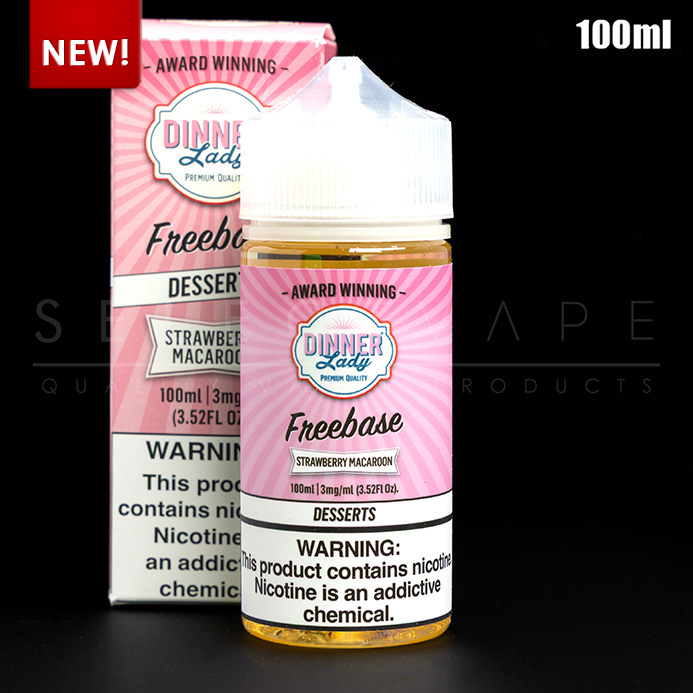
Vape juice, or e-liquid or e-juice, consists of four main ingredients: nicotine, flavoring, propylene glycol (PG), and vegetable glycerin (VG). Each of these ingredients plays a specific role in the vaping experience. Because we already discussed what nicotine is as it relates to vape juice, here are the other three components:
1. Flavoring
Flavoring in vape juice is achieved through food-grade flavorings, the same types used in the food industry. These flavorings come in various options, from tobacco and menthol to fruits, desserts, and beverages. The purpose of flavoring is to provide an enjoyable taste experience, making vaping more appealing compared to traditional smoking.
2. Propylene Glycol (PG)
Propylene glycol is a colorless, odorless, and tasteless synthetic liquid used as a base or carrier for the flavoring and nicotine in vape juice. It is known for providing a “throat hit” that mimics the sensation of smoking. PG is effective at carrying flavor, which makes it a popular choice in many vape juices.
3. Vegetable Glycerin (VG)
Vegetable glycerin is a natural liquid derived from plant oils, such as palm, soy, or coconut. It is thicker than PG and responsible for vapor production in vape juice. VG has a slightly sweet taste, which can enhance the flavor profile of the vape juice. It produces large vapor clouds, making it ideal for users who enjoy visible exhalation.
PG Vs. VG Brief Information Overview
PG provides a throat hit and carries flavor well, while VG is responsible for vapor production and adds sweetness to the vape juice. The ratio of PG to VG can be adjusted to suit individual preferences, and the nicotine strength can be tailored to meet the needs of different users.
In-Depth Information About PG and VG
Now, we will delve deeper into the differences between propylene glycol (PG) and vegetable glycerin (VG) and how these differences impact the delivery and experience of nicotine in vape juice. Understanding these nuances will help you choose the right vape juice composition to suit your preferences and vaping needs.
Propylene Glycol (PG)
Propylene glycol (PG) is a synthetic compound widely used in various industries, including food, pharmaceuticals, and cosmetics. In vape juice, PG is a crucial component, acting as a carrier for both nicotine and flavorings.
How PG Is Made
PG is produced through the hydration of propylene oxide, a chemical derived from petroleum refining. This process involves reacting propylene oxide with water under controlled temperature and pressure conditions to create propylene glycol. The resulting product is highly pure and suitable for use in vape juice.
PG and Nicotine
In the context of vaping, PG’s thin consistency allows it to effectively carry nicotine, ensuring a consistent and strong delivery with each puff. Additionally, PG contributes to the throat hit that many ex-smokers seek, mimicking the sensation of traditional smoking. The presence of PG enhances the flavor intensity of vape juice, making the vaping experience more satisfying, especially for those using lower-powered devices.
Vegetable Glycerin (VG)
Vegetable glycerin (VG) is a natural substance derived from plant oils such as palm, soy, or coconut. It is commonly used in the food and pharmaceutical industries for its moisturizing and sweetening properties. In vape juice, VG is valued for its ability to produce thick, dense vapor clouds.
How VG is Made
VG is produced through the hydrolysis of triglycerides found in plant oils. The oils are heated and treated with an alkaline substance like lye, which separates the glycerin from the fatty acids. The resulting glycerin is then distilled to achieve a high-quality VG suitable for vape juice.
VG and Nicotine
VG’s thicker consistency affects how nicotine is delivered in vape juice. It produces a smoother throat hit compared to PG, which can be beneficial for users who prefer a gentler vaping experience. VG’s ability to create large vapor clouds makes it popular among users who enjoy visual vapor production. However, the thicker nature of VG can slightly mute flavors, making it less effective at carrying nicotine than PG. For this reason, high VG vape juices often contain higher concentrations of flavoring and nicotine to compensate for the reduced intensity.
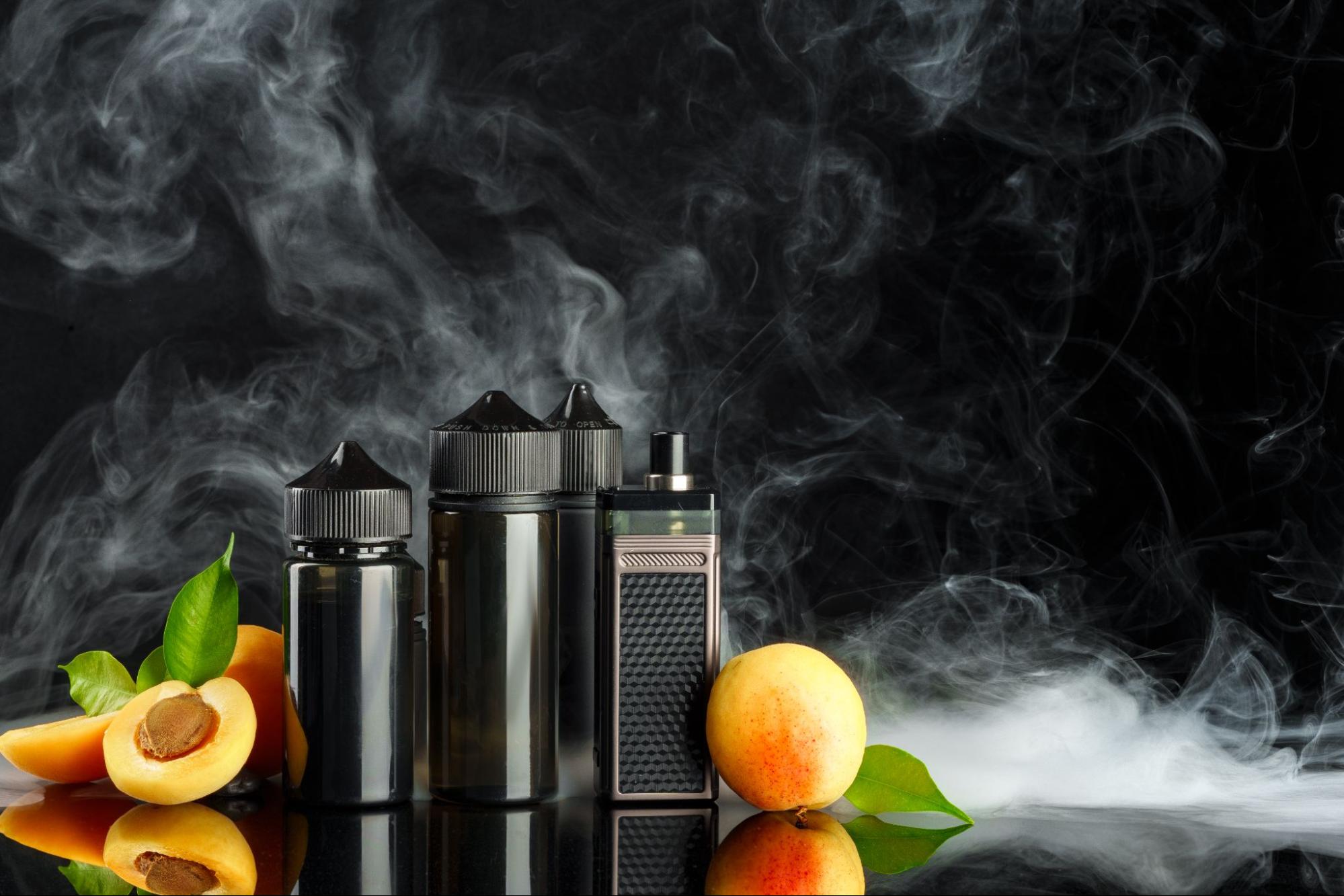
Nicotine Vs. Salt Nicotine Brief Information Overview
Nicotine in regular vape juice is more suitable for those who prefer lower nicotine strengths and enjoy a more substantial throat hit and larger vapor clouds. In contrast, salt nicotine vape juice, or salt nic, caters to users who require higher nicotine levels with a smoother inhale, offering a more cigarette-like experience.
In-Depth Information About Nicotine Strengths in Vape Juice
Nicotine strength is crucial for vapers, as it directly impacts the satisfaction and overall experience. The two primary forms of nicotine in vape juices are freebase and salt nic, each offering unique characteristics and benefits.
Regular Vape Juice
Regular vape juice, also known as freebase nicotine vape juice, has been the standard in the vaping industry for years. Freebase nicotine is the purest form of nicotine and is known for delivering a more pronounced throat hit, especially at higher concentrations. The typical nicotine strengths for regular vape juice include:
0 mg/mL (Nicotine-Free)
This option is perfect for vapers who have successfully weaned off nicotine but still enjoy the act of vaping. It provides the flavors and vapor production without any nicotine content.
3 mg/mL (Very Low Nicotine)
This strength is suitable for very light smokers or those significantly reducing their nicotine intake. It offers a mild throat hit and is often used by sub-ohm vapers who prefer high vapor production with minimal nicotine.
6 mg/mL (Low Nicotine)
This strength is designed for light to moderate smokers and delivers a slightly stronger throat hit and a bit more nicotine satisfaction. It’s a popular choice for those transitioning from smoking to vaping.
12 mg/mL (Medium Nicotine)
Ideal for moderate smokers, this concentration provides a noticeable throat hit and sufficient nicotine to satisfy cravings. It’s often used in standard vape pens and MTL (mouth-to-lung) devices.
18 mg/mL (High Nicotine)
The highest amount of nicotine in regular vape juice is for heavy vapers who need a more potent nicotine hit to curb cravings. It delivers a robust throat hit and is typically used in higher-resistance, lower-wattage devices.
Regular vape juice best suits sub-ohm vaping devices that produce larger vapor clouds. However, the higher the nicotine concentration, the harsher the throat hit, which can be uncomfortable for some vapers.
Salt Nicotine Vape Juice
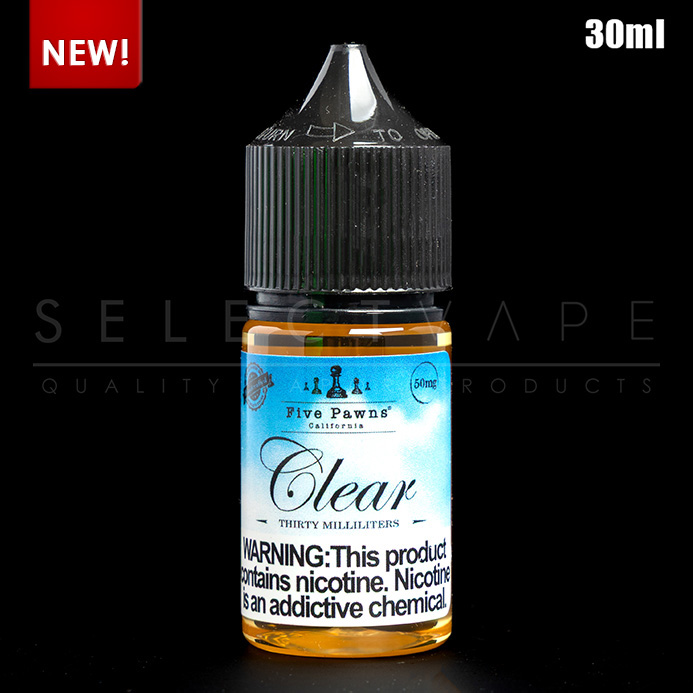
Salt nicotine vape juice, or nic salts, uses a different form of nicotine naturally found in tobacco leaves. Nicotine salts allow for higher nicotine concentrations without the harshness associated with freebase nicotine, resulting in a smoother inhale even at elevated levels. Common salt nic strengths include:
20-25 mg/mL
This range is suitable for light to moderate smokers who need a bit more nicotine to feel satisfied. It’s a good starting point for those new to salt nicotine.
30-35 mg/mL
This concentration is designed for moderate to heavy smokers and offers a more substantial nicotine hit without the rough throat hit, making it comfortable for frequent use.
50 mg/mL
The highest level of nicotine in salt nic is ideal for heavy smokers who require a significant nicotine intake to replace the sensations of smoking. Despite the high nicotine content, the inhalation remains smooth and less irritating than high-strength freebase nicotine.
Salt nicotine is typically used in low-wattage, mouth-to-lung (MTL) devices, such as pod systems, efficiently delivering nicotine. These devices produce less vapor, making them discreet and portable. They often mimic the draw of a traditional cigarette.

Choosing the Perfect Nicotine Strength for Vaping
Understanding how much nicotine is in a vape involves exploring the various components of vape juice and the different types of nicotine available. Nicotine is a key ingredient in vape juice, whether derived from tobacco or synthesized in a lab. The other main ingredients—flavoring, PG, and VG—are crucial in creating the desired vaping experience.
By understanding the intricacies of these ingredients and their effects, users can make informed decisions about their vaping preferences and choose the best products. Whether using freebase nicotine or salt nicotine, the key is finding the right balance to enjoy a satisfying and enjoyable vaping experience.
At Select Vape, we offer a wide range of products, including high-quality vape juice, state-of-the-art vaporizers, and essential vaporizer accessories. For more detailed information on vape juice, vaporizers, and everything vape-related, visit our Select Vape blog. Explore our website to find everything you need for an exceptional vaping experience.