





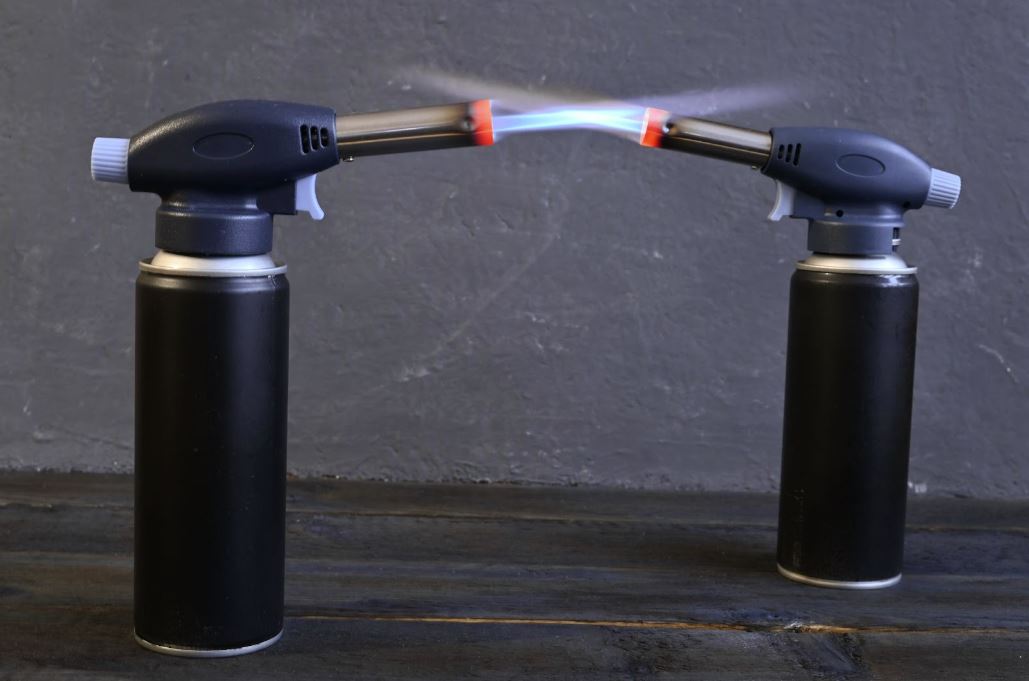
Whether you’re using a butane torch for culinary purposes, crafting, or lighting a cigar, knowing how to fill it properly is essential. A well-maintained butane torch ensures reliable performance and safety. This comprehensive guide will walk you through the steps to fill your butane torch, provide safety tips, and address common questions and concerns.
Understanding Your Butane Torch
Before you begin, it’s important to understand the components of your butane torch. Each part plays a crucial role in the torch’s operation, and knowing them will help you easily navigate the filling process.
Fuel Tank
A fuel tank is where the butane is stored at the base of the torch. The fuel tank is designed to hold a specific amount of butane and has a valve for refilling. The fuel tank size can vary depending on the torch’s design and intended use. Larger tanks allow longer usage between refills, while smaller tanks make the torch more portable.
Ignition System
Most butane torches come equipped with a piezoelectric ignition system, which generates a spark to ignite the butane gas. This system is activated by pressing a button or lever on the torch. The ignition system’s reliability and ease of use are critical for safe and effective operation.
Adjustable Flame Control
The flame control knob or dial lets you adjust the flow of butane gas, thereby increasing or decreasing the flame size. Precise flame control is important for various applications, from delicate culinary tasks to heavy-duty industrial uses. Some torches also feature a safety lock to prevent accidental ignition or flame adjustments.
Nozzle
The nozzle is the point where the flame exits the torch. It directs and shapes the flame for optimal performance. Nozzles can vary in size and shape, affecting the flame’s spread and intensity. A well-designed nozzle ensures a consistent and controlled flame, essential for achieving the desired results in your specific application.
Steps in Preparing to Fill Your Butane Torch
Proper preparation is key to safely and effectively filling your butane torch. Here are the essential steps to prepare for the refilling process:
1. Gather Your Materials
To fill your butane torch, you’ll need:
Butane Canister
Ensure you have a high-quality butane canister. Different torches may require different types of butane, so it’s important to check the manufacturer’s recommendations. High-quality butane contains fewer impurities, preventing clogging and ensuring a clean burn.
Butane Torch
Make sure your torch is empty and ready to be refilled. If available, check the fuel gauge to confirm that the torch needs refilling. If your torch doesn’t have a fuel gauge, you can usually tell it’s empty if the flame sputters or fails to ignite.
Protective Gear
Gloves and safety glasses are recommended to protect against accidental spills or leaks. Butane is a flammable and volatile substance, so protecting your skin and eyes is important. Gloves should be of a material resistant to chemicals, such as nitrile or latex. Safety glasses should wrap around the sides of your eyes to provide full protection.
2. Choose a Well-Ventilated Area
A butane torch should always be filled in a well-ventilated area to avoid inhaling fumes. Outdoors are ideal, but if impossible, choose a room with good airflow and open windows. Ensuring proper ventilation minimizes the risk of butane inhalation, which can cause dizziness, headaches, and other health issues. Additionally, a well-ventilated area reduces the risk of accidental ignition of butane fumes.
Steps to Fill Your Butane Torch
Properly filling your butane torch is essential for ensuring its reliable operation and longevity. Follow these detailed steps to refill your torch safely and effectively:
Step 1: Ensure the Torch Is Cool
Before you begin refilling your torch, make sure it is completely cool. Using the torch immediately before refilling can leave residual heat, which poses a significant risk of ignition during the refilling process. Allow the torch to cool for 10-15 minutes after use. This cooling period ensures that all parts, especially the fuel tank and nozzle, are safe to handle.
Step 2: Bleed the Torch
Bleeding the torch involves releasing any remaining butane and air from the tank, a crucial step to prevent air pockets that can cause inconsistent flame performance. Air pockets disrupt the flow of butane, leading to sputtering or uneven flames. To bleed the torch, turn it upside down to ensure any remaining butane or air can escape through the fuel valve, usually found at the bottom of the torch. Use a small screwdriver, a pen, or a tool specifically designed to press down on the valve. You may hear a hissing sound as the remaining butane and air escape. Continue until no sound is heard, indicating the tank is empty and all air has been expelled, ensuring the torch is ready to be refilled without air pockets.
Step 3: Shake the Butane Canister
Shaking the butane canister well ensures that the fuel is mixed properly, which helps in efficient filling and prevents blockages. Butane can settle and separate inside the canister, so thoroughly shaking it distributes the fuel evenly, ensuring a consistent flow when filling the torch.
Step 4: Insert the Nozzle
To align the fuel valve with the butane canister nozzle, turn the torch upside down and keep it in this position. Make sure the nozzle of the butane canister is perfectly aligned with the fuel valve on the torch, as this alignment is crucial for a secure connection and efficient transfer of butane. Holding the canister upright ensures a proper flow of butane and minimizes the risk of spills or leaks.
Step 5: Fill the Torch
Press the nozzle firmly into the fuel valve to create a tight seal and allow the butane to flow into the torch. Hold the canister in place for about 5-10 seconds or until you see fuel leaking from the valve, indicating the tank is full. Some torches have a clear fuel window that allows you to monitor the fuel level and avoid overfilling.
Step 6: Check for Leaks
After filling the torch, it’s important to check for any leaks. Listen and smell for any hissing sounds or gas odor, as these indicate a leak. Do not attempt to light the torch if you detect a leak. Instead, repeat the bleeding process to release any excess butane and ensure the torch is properly sealed before trying again. Ensure the fuel valve is tightly closed, with no visible leaks.
Safety Tips and Best Practices
Ensuring safety while handling and using a butane torch is paramount. Here are some essential tips and best practices:
Avoid Overfilling
Overfilling the torch can lead to butane leakage, which is hazardous. Always monitor the fuel level and stop filling once the tank is full. Overfilled tanks can cause the torch to malfunction or even explode, posing a serious risk.
Store Butane Properly
Store butane canisters in a cool, dry place away from direct sunlight and heat sources. This prevents them from becoming pressurized and potentially exploding. Also, keep them away from open flames, stoves, or heat-producing appliances.
Use High-Quality Butane
Using high-quality butane reduces the risk of clogging and ensures a clean, efficient burn. Impurities in low-quality butane can damage your torch and affect its performance. Look for butane labeled as “99.99% pure” or similar to ensure your torch’s best performance and longevity.
Regular Maintenance
Regularly clean your torch’s nozzle and ignition system to prevent debris buildup and ensure consistent performance. Use a small brush or compressed air to remove particles. This maintenance helps keep the torch functioning optimally and extends its lifespan. Clean the nozzle to ensure no blockages could affect the flame, and keep the ignition system free from dirt and debris to provide reliable lighting.
Butane Torch FAQs
Here are some commonly asked questions about filling butane torches:
How Often Should I Fill My Butane Torch?
The frequency of refilling depends on how often you use the torch. Regular users may need to refill weekly, while occasional users only need to refill monthly.
Can I Use Any Butane Canister?
No, always use the type of butane recommended by the manufacturer. Using the wrong type can damage the torch and pose safety risks.
What Should I Do If I Smell Gas After Filling?
If you smell gas, immediately check for leaks and ensure the torch is in a well-ventilated area. Do not ignite the torch. If necessary, bleed and refill the torch; consult the manufacturer or a professional for further assistance if the smell persists.
Properly Filling a Butane Torch for Safety and Performance
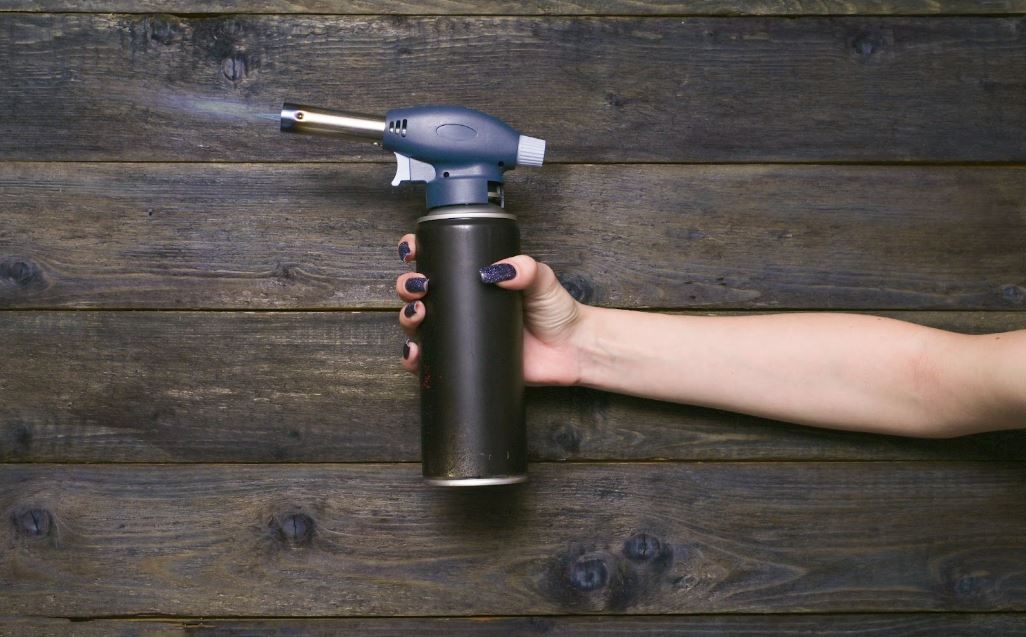
Filling a butane torch is straightforward but requires attention to detail and adherence to safety practices. Following the steps outlined in this guide, you can ensure that your butane torch is filled correctly and safely, providing reliable performance for all your needs. Always use high-quality butane, store your materials properly, and maintain your torch regularly to extend its lifespan and ensure a safe, enjoyable experience. For more information and expert tips on maintaining and using your butane torch, visit Select Vape’s blog. Discover knowledge to enhance your smoking, culinary, or crafting experiences.