










Nicotine gum has emerged as a pivotal tool for individuals looking to quit smoking, offering an effective means to combat cravings and manage withdrawal symptoms. Particularly relevant for vape users and those contemplating an end to smoking, nicotine gum serves as a bridge to a healthier, smoke-free lifestyle.
What Is Nicotine Gum?
Nicotine gum is a type of nicotine replacement therapy (NRT) that delivers nicotine into the body through the mucous membrane of the mouth. It is designed to help reduce the urge to smoke by partially substituting the nicotine that was previously obtained from cigarettes. This therapeutic approach aims to ease the transition away from smoking, minimizing withdrawal effects and curbing the craving for nicotine.
Benefits of Nicotine Gum Over Smoking or Vaping
Nicotine gum offers a significant advantage by reducing the risk of smoking-related diseases. It sidesteps inhaling toxic substances found in cigarette smoke or vape aerosols, such as tar and carbon monoxide. It also empowers users with the ability to gradually wean off nicotine, potentially easing the psychological hold of smoking or vaping habits.
What Does Nicotine Gum Taste Like?
Nicotine gum has various flavors to make the experience more pleasant and cater to different personal preferences. The most common flavors include mint, fruit, and cinnamon. Some brands also offer classic or original flavors with a more neutral taste profile.
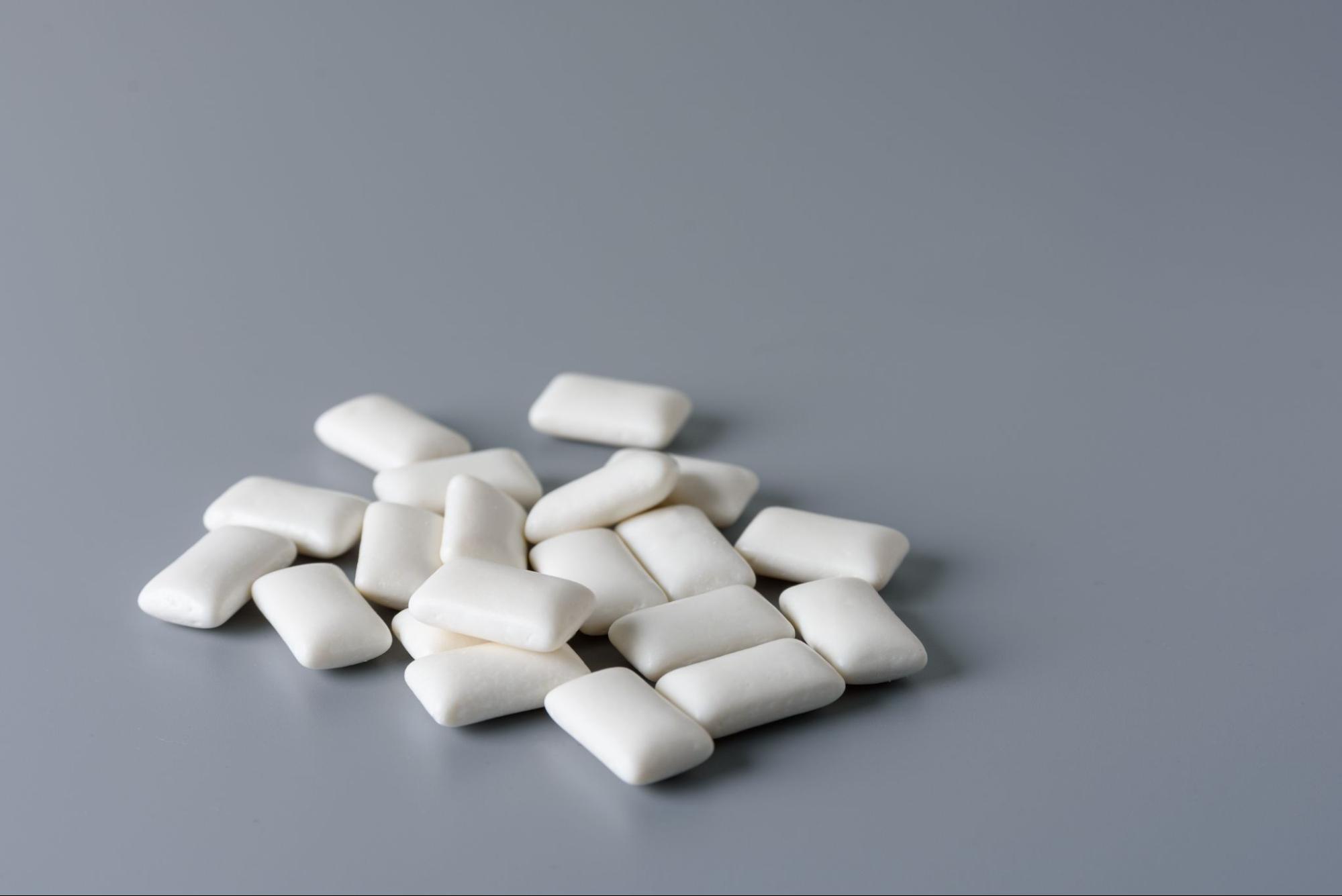
Due to the nicotine content, nicotine gum can initially taste peppery or spicy. This sensation usually diminishes as the nicotine is released and absorbed through the lining of the mouth. After the initial burst of flavor and nicotine, the gum often tastes similar to regular chewing gum. However, the texture might be slightly different, stiffer, and less elastic than conventional gum.
Starting With Nicotine Gum
The journey toward quitting smoking begins by choosing the appropriate time and dosage. Initiation should ideally align with your readiness to quit smoking, with the gum’s strength and the frequency of its use tailored to match your smoking pattern. Heavy smokers may require a higher dose to effectively manage cravings, while occasional smokers might benefit from a lower dose.
How to Effectively Use Nicotine Gum
To effectively use nicotine gum and maximize its benefits as a smoking cessation aid, follow these guidelines:
- Begin using the nicotine gum on your quit date, or if you are cutting down gradually, start using the gum between cigarettes to reduce smoking frequency over time.
- Select the appropriate strength based on your smoking habits. Heavy smokers may need a higher dose (e.g., 4 mg), while lighter smokers might start with a lower dose (e.g., 2 mg).
- Chew the gum slowly a few times until you notice a peppery taste or a tingling sensation. Then, “park” the gum between your gum and cheek. It allows nicotine to be absorbed through the mouth lining. After the tingling fades, chew a few more times to release more nicotine, then park again. Repeat this process for about 30 minutes or until the tingling sensation no longer returns when chewing.

- Do not use more than the recommended amount of gum daily (usually 24 pieces for 2 mg and 12 for 4 mg). Too much can lead to side effects, while using too little may not effectively manage cravings.
- Do not eat or drink for 15 minutes before using nicotine gum, and avoid consuming anything while chewing the gum. Food and beverages can reduce nicotine absorption.
- Over time, as your cravings and withdrawal symptoms decrease, gradually reduce the number of gums you use each day. It should be done over several weeks to months, according to a schedule or as you feel less dependent on nicotine.
- Aim to stop using nicotine gum completely. This step is crucial to breaking your nicotine dependence entirely. If you find quitting the gum challenging, consult a healthcare professional for cessation strategies.
Individual experiences with quitting smoking are unique, and it may take several attempts to find the best approach. Combining the use of nicotine gum with other support, such as counseling or quit-smoking groups, can enhance your chance of success.
Combining Nicotine Gum With Other Quitting Strategies
Nicotine gum can be even more effective when used with other quitting strategies. Behavioral therapy, for example, can help address the psychological dependence on smoking, while support groups provide encouragement and advice. Combining these methods can offer a comprehensive approach to quitting, addressing both the physical and psychological aspects of nicotine addiction.
Managing Cravings and Withdrawal With Nicotine Gum
When quitting smoking, the initial phase can be the most challenging due to intense cravings and withdrawal symptoms. Nicotine gum plays a crucial role here, offering a way to manage these discomforts effectively. It’s not just about the nicotine; the act of chewing also provides psychological comfort, mimicking the oral fixation associated with smoking. To navigate this phase successfully, use the gum at regular intervals or when cravings strike, ensuring not to exceed the recommended daily limit.
Dos and Don’ts of Nicotine Gum
When using nicotine gum, it’s important to employ the “chew and park” method for optimal absorption. Begin by determining the appropriate dose according to your smoking habits, ensuring you start with the right amount. Use the gum at regular intervals or when cravings are powerful to effectively manage withdrawal symptoms and reduce the urge to smoke.
However, there are certain practices to avoid when using nicotine gum. Refrain from chewing continuously like regular gum, which can lead to discomfort, such as hiccups or heartburn. Additionally, avoid eating or drinking anything 15 minutes before and while using the gum to maximize its effectiveness. It’s also advisable not to rely solely on nicotine gum; instead, consider combining it with other quitting strategies for improved success in quitting smoking. By following these guidelines and avoiding detrimental habits, you can optimize the effectiveness of nicotine gum as part of your smoking cessation plan.
Transitioning from Vaping to Nicotine Gum
Understanding the difference in nicotine delivery is vital for vape users who are looking into switching to a nicotine gun. Vaping provides a rapid nicotine hit, similar to smoking, which can be more intense but shorter. Nicotine gum releases nicotine more slowly, offering a steadier level of satisfaction without the peaks and troughs. This gradual release can help manage cravings more smoothly, making it a viable option for those looking to move away from vaping.
Weaning Off Nicotine Gum
Gradually reducing your dependence on nicotine gum is a crucial step towards complete freedom from nicotine. Start by lowering the gum’s strength or decreasing the frequency of use, responding to your body’s cues. This process should be gradual, aiming for a complete cessation when you feel confident managing without it.
What May Interact With Nicotine Gum?
Nicotine gum, like other medications and therapies, can interact with certain substances and drugs, potentially altering its effectiveness or leading to side effects. It’s necessary to be aware of these interactions to use nicotine gum safely:
Caffeine
Nicotine can increase the body’s metabolism of caffeine. When using nicotine gum, caffeine affects you more strongly, as your body is processing it differently than when you were smoking. This heightened sensitivity to caffeine may lead to increased jitteriness or anxiety, emphasizing the importance of moderating caffeine intake while using nicotine gum.
Medications for High Blood Pressure
Nicotine can affect how specific blood pressure medications work, potentially requiring adjustments in your medication regimen. It’s crucial to communicate openly with your healthcare provider about your nicotine use, as they can monitor your blood pressure and medication response to ensure optimal treatment outcomes.
Medications Metabolized by the Liver
Nicotine is broken down in the liver, and it can interact with other drugs that are also metabolized in the liver, affecting the efficacy and concentration of these drugs in your system. It underscores the importance of informing your healthcare provider about all medications you take, including over-the-counter and herbal supplements, to avoid potentially harmful interactions.
Asthma Medications
Nicotine can affect the way some asthma medications work, possibly necessitating adjustments to treatment plans. If you have asthma and are using nicotine gum, it’s essential to discuss any changes in your symptoms or medication effectiveness with your healthcare provider to ensure proper asthma management.
Mental Health Medications
Nicotine interacts with some medications used for treating mental health conditions, such as antidepressants or antipsychotics, potentially altering their effectiveness. Monitoring your mental health closely while using nicotine gum is crucial, and any changes in mood or symptoms should be promptly discussed with your healthcare provider to adjust treatment as necessary.
Other Nicotine Replacement Therapies (NRTs)
Using multiple forms of NRT simultaneously (such as nicotine patches along with nicotine gum) should be done under medical supervision to avoid overdose symptoms. Coordinating with a healthcare provider can ensure that the combined NRT approach is safe and effective for your smoking cessation journey, minimizing the risk of adverse effects while maximizing the chances of success.
It’s also worth noting that quitting smoking itself can affect how your body metabolizes various substances, including medications. Therefore, if you’re planning to quit smoking or start using
nicotine gum, it’s advisable to consult with a healthcare provider. They offer guidance on potential medication interactions and personalized adjustments to support your quitting journey.
Critical Considerations While Using Nicotine Gum
When utilizing nicotine gum to quit smoking, it’s essential to stay attentive to your body’s reactions and any side effects that may arise. Here’s an optimized list of crucial aspects to monitor:
Symptoms of Nicotine Overdose
Look for nausea, dizziness, weakness, or a speedy heartbeat. These could indicate an overdose of nicotine, necessitating immediate medical attention to prevent serious complications. It’s crucial to remember that nicotine overdose can be life-threatening, so prompt intervention is essential to ensure your safety and well-being.
Oral Health
Regular use of nicotine gum can lead to discomfort in the jaw, soreness in the mouth, or irritation of the gums. Employing the “chew and park” method more gently can alleviate these symptoms and prevent oral health issues. Additionally, maintaining good oral hygiene practices such as brushing and flossing regularly can help mitigate any potential adverse effects on oral health associated with nicotine gum use.
Heart Rate and Rhythm Changes
Since nicotine influences heart rate, be vigilant about any palpitations or changes in your heart’s rhythm. Consult a healthcare provider if these occur, as they may signal underlying cardiac concerns. It’s essential to prioritize cardiovascular health and seek medical attention promptly to address any irregularities, especially if you have a history of heart disease or other cardiac conditions.
Blood Pressure Fluctuations
Nicotine can temporarily elevate blood pressure, so those with hypertension should monitor their blood pressure closely and seek medical advice if significant fluctuations occur to avoid potential complications. Managing blood pressure effectively is crucial for overall health, and maintaining open communication with your healthcare provider can help ensure appropriate management of any blood pressure changes associated with nicotine gum use.
Sensory Changes
Some individuals report temporary changes in taste or smell while using nicotine gum, which should gradually normalize. However, persistent alterations may warrant medical evaluation to rule out underlying issues. It’s important to be mindful of any changes in sensory perception and consult a healthcare professional if you have concerns or if the changes persist beyond what is typical with nicotine gum use.
Dependence on Nicotine Gum
The goal is short-term use for smoking cessation. If discontinuing the gum becomes challenging, seeking professional guidance is advisable to avoid developing a long-term dependence on nicotine. Remember that nicotine addiction can have serious health consequences, and seeking support from healthcare professionals or smoking cessation programs can significantly increase your chances of successfully quitting.
Medication Interferences
Given nicotine gum’s potential to interact with certain medications, inform your healthcare provider about all medicines you take to avoid adverse interactions that could compromise your treatment outcomes. Your healthcare provider can help you navigate potential interactions and ensure your treatment plan is safe and effective.
Managing Nicotine Withdrawal Symptoms
If reducing nicotine intake, anticipate possible withdrawal symptoms. Planning with strategies such as tapering doses can help manage these symptoms effectively and support a successful transition to a nicotine-free lifestyle. Remember that nicotine withdrawal symptoms can vary in intensity and duration for each individual, so working closely with your healthcare provider to develop a personalized plan is critical to managing withdrawal effectively.
Maintaining awareness of these points can enhance the safe and effective use of nicotine gum in your quitting journey. For tailored advice and support, consult a healthcare provider.
How to Safely Store Nicotine Gum
For nicotine gum to stay effective and reduce health risks, proper storage is crucial. That means keeping it in a cool, dry place away from direct sunlight to avoid extreme temperatures that can affect its potency. It’s best to keep the gum in its original packaging until you’re ready to use it, as this is designed to protect it from environmental factors.
Nicotine gum should be kept safely out of the reach of children and pets to prevent accidental ingestion, which can be extremely dangerous. Also, avoid storing it in humid areas like bathrooms or kitchens, where moisture can degrade its quality. Regularly check the expiration date and dispose of any gum past its use-by date.
Navigating Nicotine Gum with Confidence
Understanding how to effectively use nicotine gum, recognizing potential interactions with other medications, and knowing what to monitor for in terms of side effects can significantly enhance your journey toward quitting smoking. Staying informed about its interactions with other drugs, you’re setting the stage for a successful transition to a smoke-free life.
With this knowledge, you can confidently navigate nicotine gum, making it a powerful ally in your quest for better health and well-being. The path to quitting smoking is a personal journey, and every step forward is a victory in its own right.
Visit our Select Vape blog to learn more about effective nicotine alternatives.