






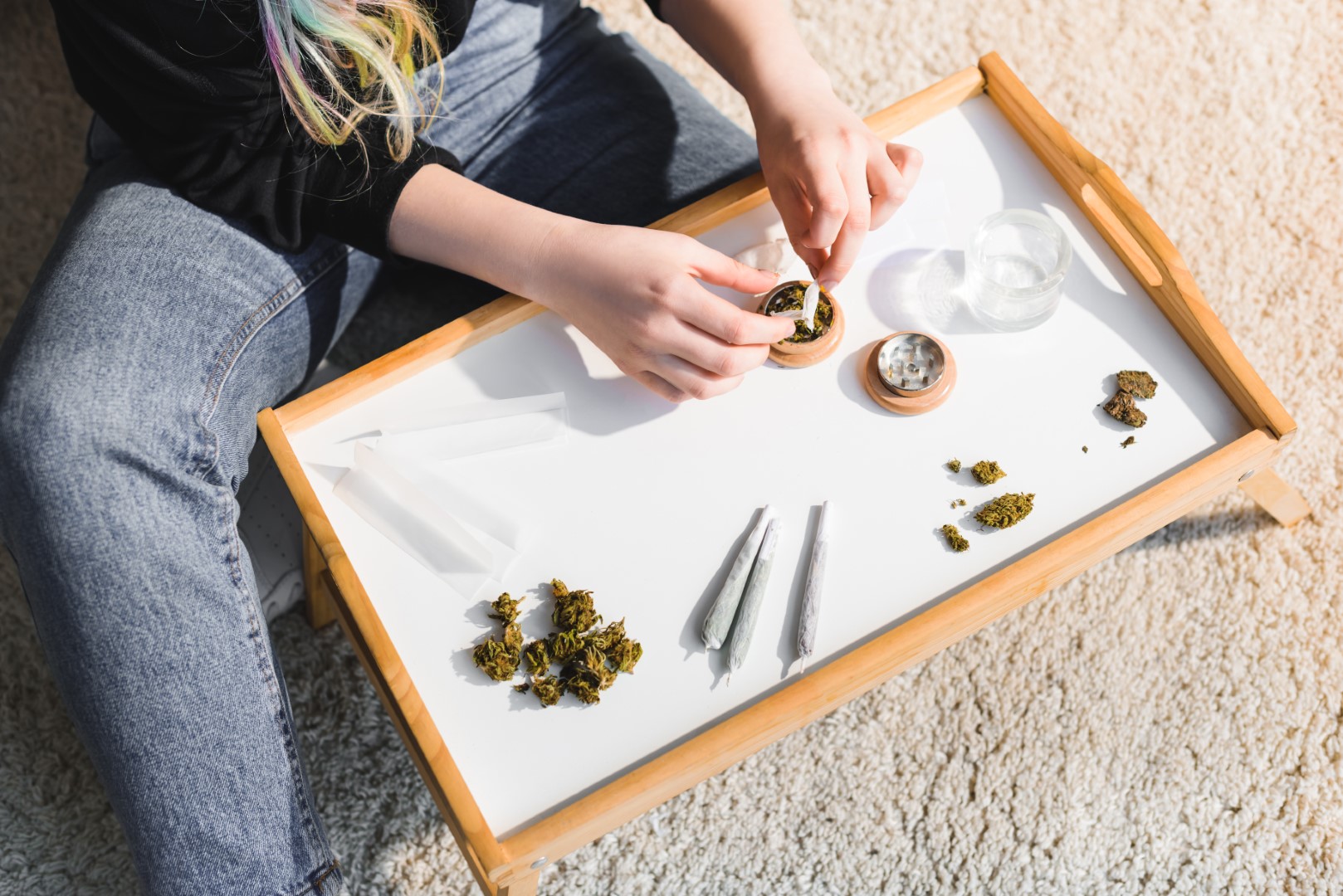
Rolling trays are essential accessories for cannabis enthusiasts. They provide a clean, organized surface for rolling joints and handling related tasks. Whether you have a metal, wood, or plastic rolling tray, maintaining it ensures a better rolling experience and extends its lifespan. This guide explores the best practices for cleaning and caring for your rolling tray, ensuring it remains in its new condition for years.
Why Cleaning Your Rolling Tray Is Important
Keeping your rolling tray clean is crucial for several reasons beyond mere aesthetics. Here’s a detailed look at why regular maintenance of your rolling tray is essential:
Hygiene
A clean rolling tray is fundamental for maintaining hygiene. When you roll your cannabis on a tray, residue, dust, and other potential contaminants can accumulate over time. These can affect the quality of your cannabis and potentially introduce harmful substances into your smoking experience. By keeping your tray clean, you ensure that your cannabis remains pure and free from unwanted particles.
Aesthetics
Regular cleaning helps maintain the appearance of your rolling tray, keeping it looking new and attractive. A dirty, stained tray can be unappealing and diminish the enjoyment of your rolling process. Maintaining its clean and polished look reflects your attention to detail and care for your accessories.
Functionality
A well-maintained rolling tray provides a smooth and efficient surface for rolling, preventing bits of cannabis from sticking or getting lost in crevices. Over time, residue buildup can create a sticky surface, making rolling difficult and frustrating. Keeping your tray clean ensures that your rolling process is smooth and hassle-free.
General Rolling Tray Cleaning Tips
Regardless of the material of your rolling tray, some general cleaning tips apply to all types. Here are some universal guidelines to help you maintain your tray in top condition:
Regular Maintenance
Cleaning your rolling tray after each use is the best way to prevent residue buildup and keep your tray in excellent condition. A quick wipe-down with a dry cloth or paper towel can remove loose particles and prevent them from sticking to the surface. Regular maintenance keeps your tray clean, making deep cleaning sessions less frequent and easier.
Gentle Cleaning Agents
Using mild dish soap and warm water is a safe and effective way to clean your rolling tray without damaging its surface. Harsh chemicals or strong detergents can strip away protective coatings, dull the finish, or even cause discoloration. Mild dish soap is gentle enough to clean thoroughly without causing harm. Warm water helps to loosen any sticky residue, making it easier to wipe away.
Avoid Abrasives
Steer clear of abrasive cleaners and scrubbers that could scratch or damage your rolling tray. Abrasive materials can leave scratches on metal, wood, and plastic trays, creating grooves where residue can accumulate. Instead, use soft sponges or gentle cloths on the tray’s surface. If you encounter stubborn spots, soaking the tray in warm, soapy water will soften the residue enough to be wiped away without harsh scrubbing.
Cleaning Metal Rolling Trays
Metal rolling trays, often made of stainless steel or aluminum, are durable and easy to clean. Here’s how to keep them in pristine condition:
1. Remove Residue
Start by placing your rolling tray on a flat surface. Use a dry paper towel or a clean, soft cloth to remove any loose residue, ash, or particles. Make sure to reach all the corners and edges where debris can accumulate. This initial step is crucial as it helps remove the bulk of the waste, making the subsequent cleaning steps more effective and less messy.
2. Soak in Warm Water
Fill a sink or a large basin with warm water. Add a few drops of mild dish soap to create a gentle cleaning solution. Submerge the rolling tray in the soapy water, ensuring it is fully covered. Allow the tray to soak for a few minutes. This soaking period helps to loosen any stubborn dirt, resin, or sticky residue clinging to the tray’s surface.
3. Scrub Gently
After soaking, gently scrub the tray’s surface with a soft sponge or cloth. Focus on areas with visible stains or sticky residue. Use circular motions and be patient, applying more pressure on tougher spots if necessary. Avoid using abrasive scrubbers or harsh chemicals, as these can scratch or damage the metal’s surface. Pay special attention to the corners and edges where debris accumulates.
4. Rinse Thoroughly
Rinse the tray under running water to wash away all the soap and loosened debris. Rotate the tray to rinse all sides thoroughly, ensuring no soap residue remains. Residual soap can affect the taste of your rolling materials and attract more dirt, so it’s important to rinse the tray well. If you have a spray nozzle, direct water into the corners and edges for a more thorough rinse.
5. Dry Completely
After rinsing, use a paper towel or a clean, dry cloth to pat the tray dry. Ensure all surfaces are completely dry to prevent water spots or potential rusting. Pay particular attention to drying the corners and edges, as these areas can retain moisture. Allow the tray to air dry for a few minutes in a well-ventilated area to ensure all moisture evaporates before storing or using the tray again.
Cleaning Wooden Rolling Trays
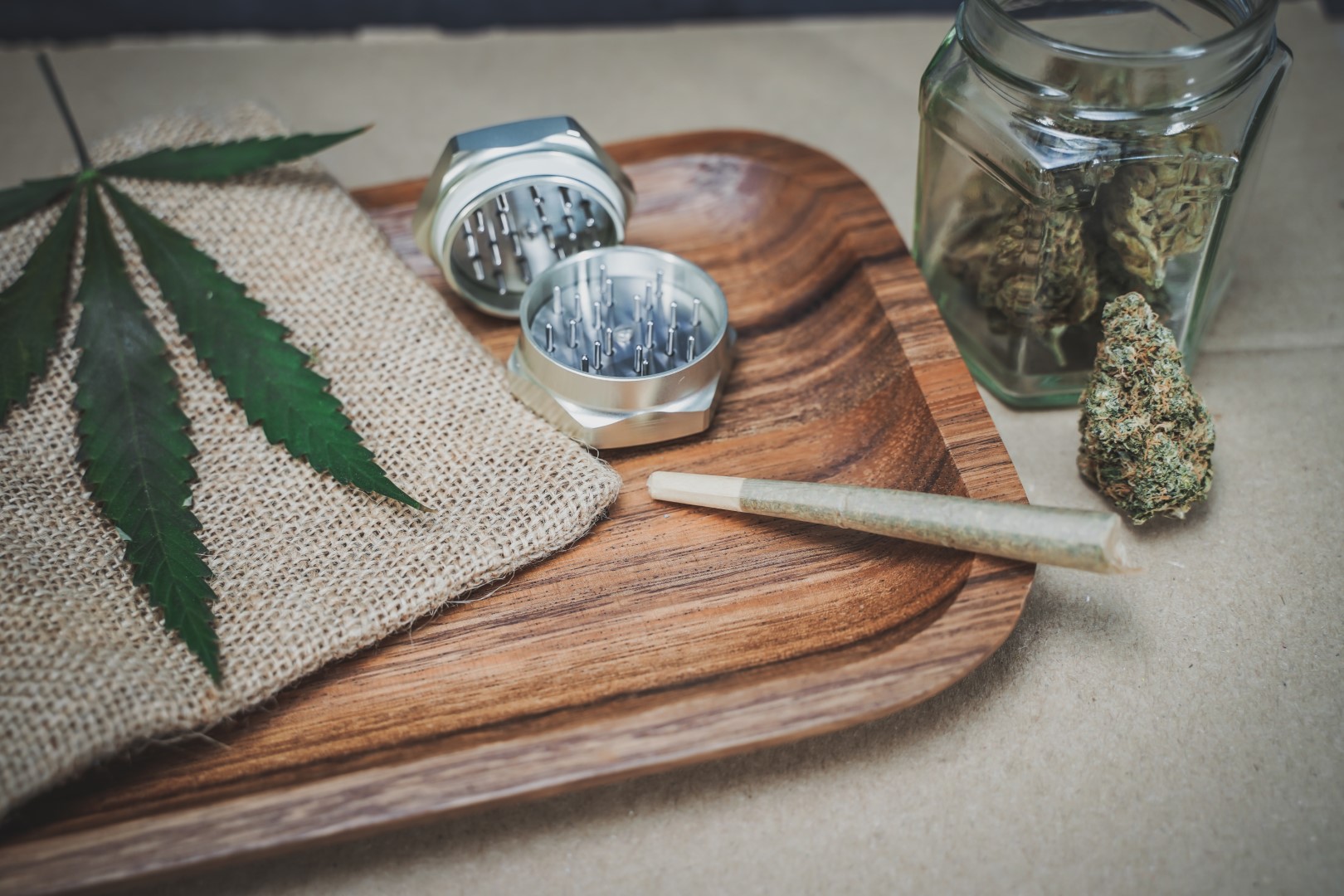
Wooden rolling trays offer a natural and aesthetic appeal but require more careful cleaning to prevent damage.
1. Remove Residue
Begin by placing your wooden rolling tray on a stable surface. Use a dry paper towel or a soft cloth to gently wipe away any loose particles, ash, or residue. Make sure to clean all the nooks and crannies where small bits of material can get trapped. This step is important to clear the surface of large debris, which can scratch the wood during the cleaning process.
2. Dampen Cloth
Next, dampen a soft sponge or cloth with warm, soapy water. The material should be damp but not soaking wet, as excessive moisture can damage the wood. Squeeze out any excess water to avoid soaking the wood. The goal is to use enough moisture to clean the surface without causing water damage or warping.
3. Wipe Down
Gently wipe down the entire surface of the wooden tray with a damp cloth. Use light, circular motions to clean the surface, especially in areas with visible stains or sticky residue. Avoid applying too much pressure or using abrasive materials, as these can scratch or damage the wood. The aim is to clean the surface without harming the natural finish or integrity of the wood.
4. Rinse and Dry
After wiping down the tray, use a clean, damp cloth to remove any remaining soap residue. Immediately dry the tray with a paper towel or clean cloth. Ensure the tray is thoroughly dried to prevent moisture from seeping into the wood, which could cause warping or damage over time. It’s also a good idea to let the tray air dry for a few minutes to ensure it is completely dry before storing or using it again.
5. Condition the Wood
To maintain the wood’s natural luster and prevent it from drying out, apply a small amount of olive or mineral oil to the surface. Use a clean cloth to rub the oil into the wood, covering the entire surface evenly. Let the oil sit for a few minutes to penetrate the wood, then wipe away any excess with a dry cloth. This conditioning step helps to nourish the wood, keeping it looking good and protecting it from cracks or drying out over time.
Cleaning Acrylic or Plastic Rolling Trays
Acrylic and plastic rolling trays are lightweight and versatile but can be prone to staining if not cleaned regularly.
1. Remove Residue
Start by using a dry paper towel or a soft cloth to wipe away any loose particles, dust, or residue from the surface of your acrylic or plastic rolling tray. This initial step helps to clear away the bulk of the debris, making the subsequent cleaning steps more effective. Pay special attention to the edges and corners where residue often accumulates.
2. Soak in Warm Water
Fill a sink or basin with warm water and add a few drops of mild dish soap. Place the rolling tray in the soapy water and let it soak for a few minutes. Warm water and soap will help loosen any stubborn dirt or sticky residue on the tray. Soaking is particularly helpful for removing built-up grime and making the scrubbing process easier and more effective.
3. Scrub Gently
After soaking, gently scrub the tray’s surface with a soft sponge or cloth. Focus on areas with visible stains or sticky residue. Use gentle, circular motions to clean the tray, avoiding abrasive scrubbers or harsh chemicals that could scratch the plastic or acrylic. Be thorough but gentle, ensuring that you clean all parts of the tray, including the edges and corners where dirt can accumulate.
4. Rinse Thoroughly
Rinse the tray under running water to wash away all the soap and loosened debris. Rotate the tray to rinse all sides thoroughly, ensuring no soap residue remains. Residual soap can affect the taste of your rolling materials and attract more dirt, so it’s important to rinse the tray well. If you have a spray nozzle, direct water into the corners and edges for a more thorough rinse.
5. Dry Completely
Use a paper towel or a clean, dry cloth to dry the tray completely. Ensure all surfaces are dry to prevent water spots or mold growth. Pay particular attention to the edges and corners, which can retain moisture. Allow the tray to air dry for a few minutes in a well-ventilated area to ensure all moisture evaporates before storing or using it again. Proper drying is essential to maintaining the tray’s condition and hygiene.

The Importance of Maintaining Your Rolling Tray
Maintaining your rolling tray ensures a clean, efficient, and enjoyable rolling experience. Regular cleaning and proper care can significantly extend the lifespan of your tray, keeping it in excellent condition for years to come. Whether your rolling tray is made of metal, wood, or plastic, following the appropriate cleaning and care tips will help you get the most out of this essential accessory. Investing in a high-quality rolling tray and taking the time to care for it properly can improve your cannabis experience, and enjoy a stylish, functional accessory that serves you well.
For additional tips, expert advice, and the latest trends in the world of cannabis, be sure to check out our Select Vape blog.