






Vaping has become a prevalent practice, offering a range of flavors and experiences for users transitioning from traditional smoking to exploring the vaping culture. The device’s maintenance is integral to the vaping experience and central to the charging method. The correct vape charger ensures your device is powered reliably. It plays a crucial role in the device’s longevity and safety. With various options available, understanding the differences and advantages of each charger type is essential for optimal use and maintenance of your vaping device.
Exploring the Leading Vape Chargers on the Market
The vaping world is as diverse in its technology as in its flavors. Various vape chargers ensure your device stays powered for every draw. Navigating the plethora of charging options can be daunting, yet understanding the distinctions among the most popular types of vape chargers can significantly enhance your vaping experience.
USB Chargers for Vapes
In dynamic vaping, the evolution of USB chargers has significantly enhanced the convenience and efficiency of keeping devices powered and ready for use.
Micro-USB Chargers
Micro-USB chargers were among the first to be widely used in vaping devices, providing a universal solution for charging. These chargers are characterized by their small, flat interface, making them a common choice for older vape pens and mods models.
USB-C Chargers
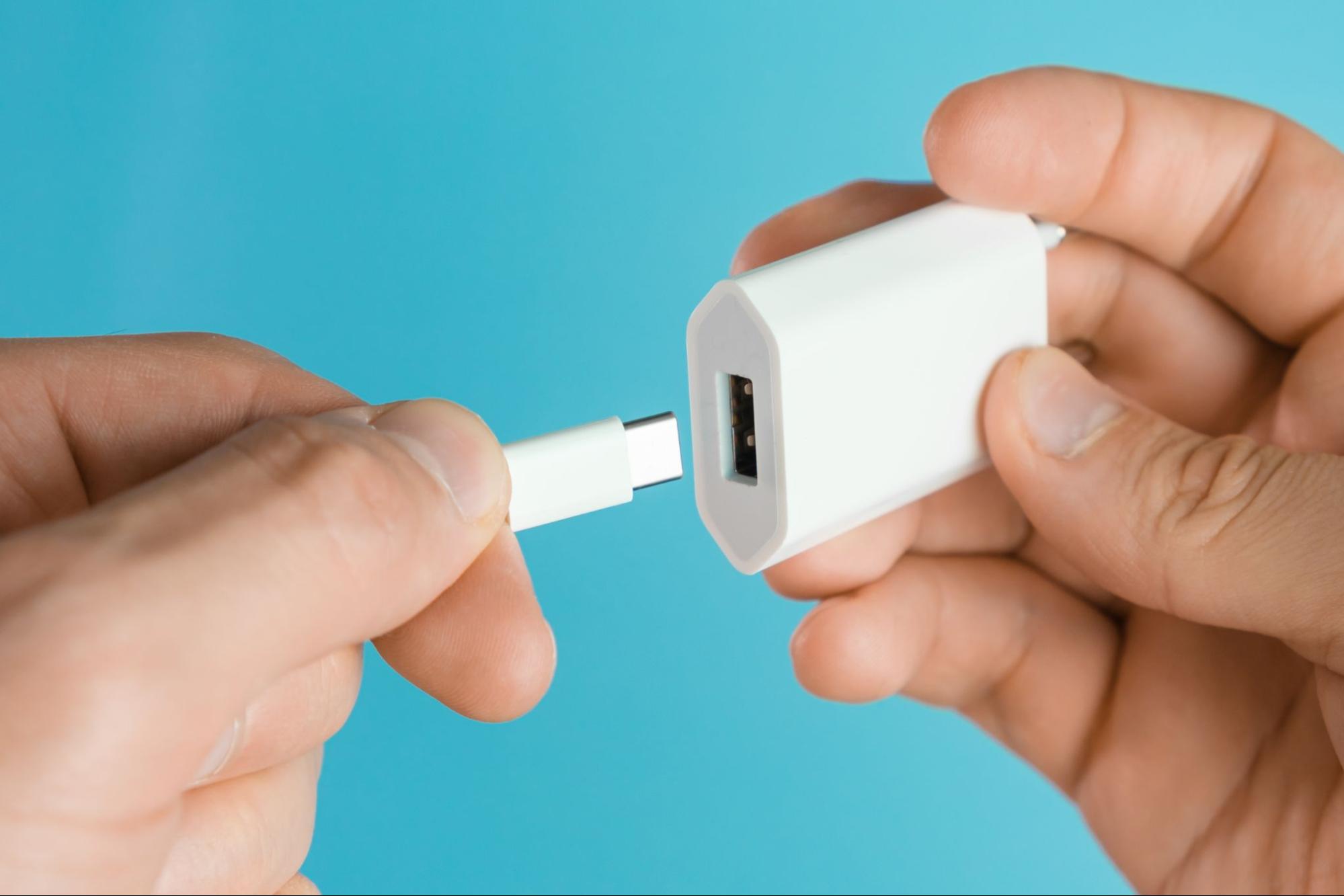
Adopting USB-C chargers in vaping devices marks a significant improvement in charging technology. Known for their reversible plug orientation and faster charging capabilities, USB-C chargers offer a more efficient and user-friendly experience. Many modern vaping devices now feature USB-C ports, reflecting the tech industry’s broader move towards this standard.
Both USB chargers offer the convenience of charging from various power sources, including computers, power banks, and USB wall adapters. However, users should be aware of the charging specifications recommended by their device manufacturers to avoid potential battery damage.
Wall Plug Adapters for Vapes
Wall plug adapters are a cornerstone of a reliable power supply. These adapters, designed to convert household AC electrical power to the DC power required by most vaping devices, offer a direct and fast charging solution. The key to their effectiveness lies in their simplicity and direct power supply, which often translates to quicker charging times than USB-connected sources.
These adapters have varied specifications, including different output currents and voltages. Using one with incorrect specifications can lead to slow charging and, at worst, damage to the device or its battery. Manufacturers often recommend adapters for their devices, and adhering to them ensures that the device is charged safely and efficiently.
Vape Portable Charging Cases
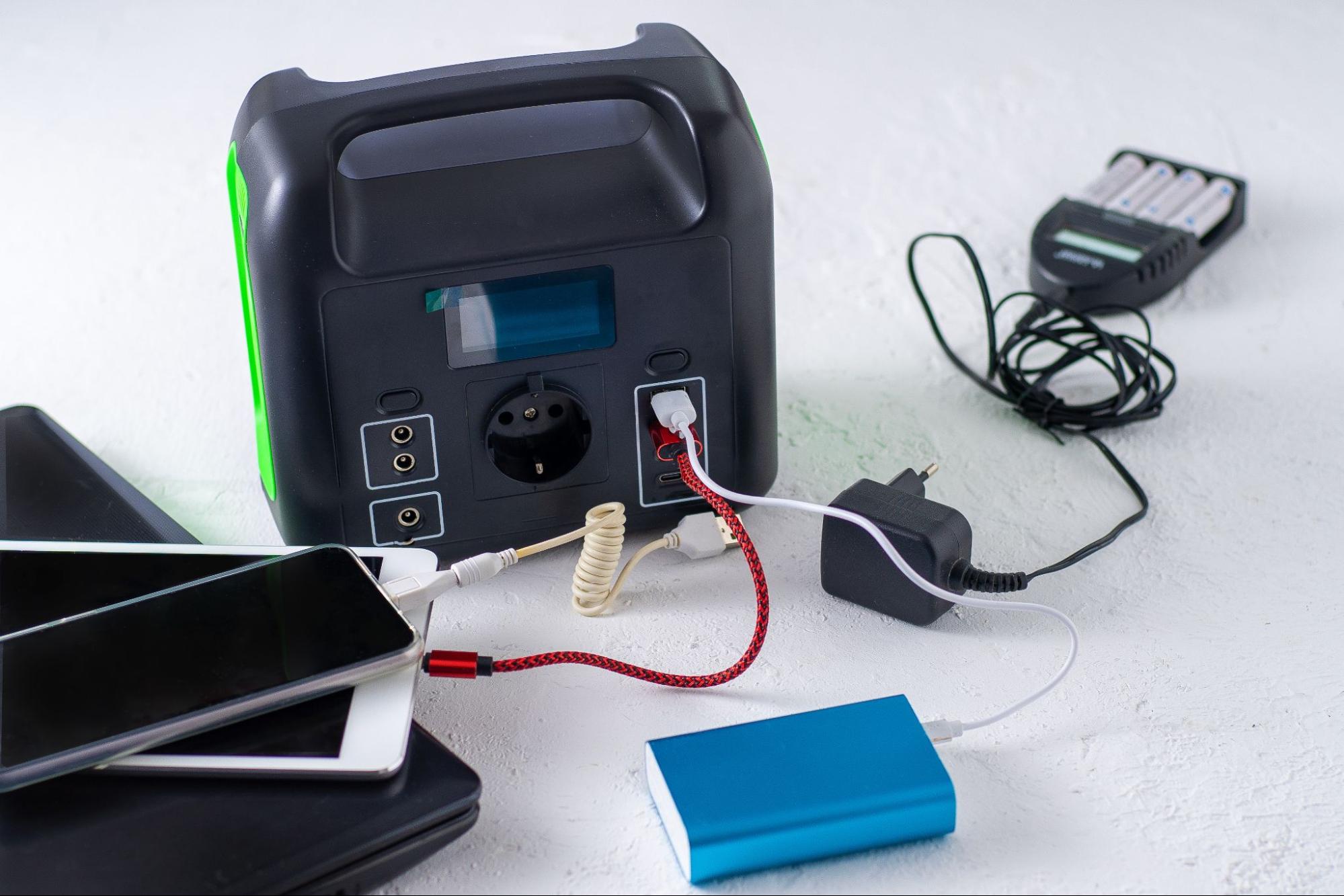
Portable charging cases (PCCs) present an innovative solution for vape users who prioritize mobility and convenience. These cases not only protect your vaping device but also charge it on the go without the need for a power outlet. Equipped with their batteries, PCCs can recharge your vaping device multiple times, depending on the case’s battery capacity and the device’s battery size.
The appeal of portable charging cases lies in their dual function: offering a secure storage solution while ensuring your device remains charged throughout the day. That is particularly beneficial for heavy users or those often away from convenient charging sources.
Car Chargers for Vapes
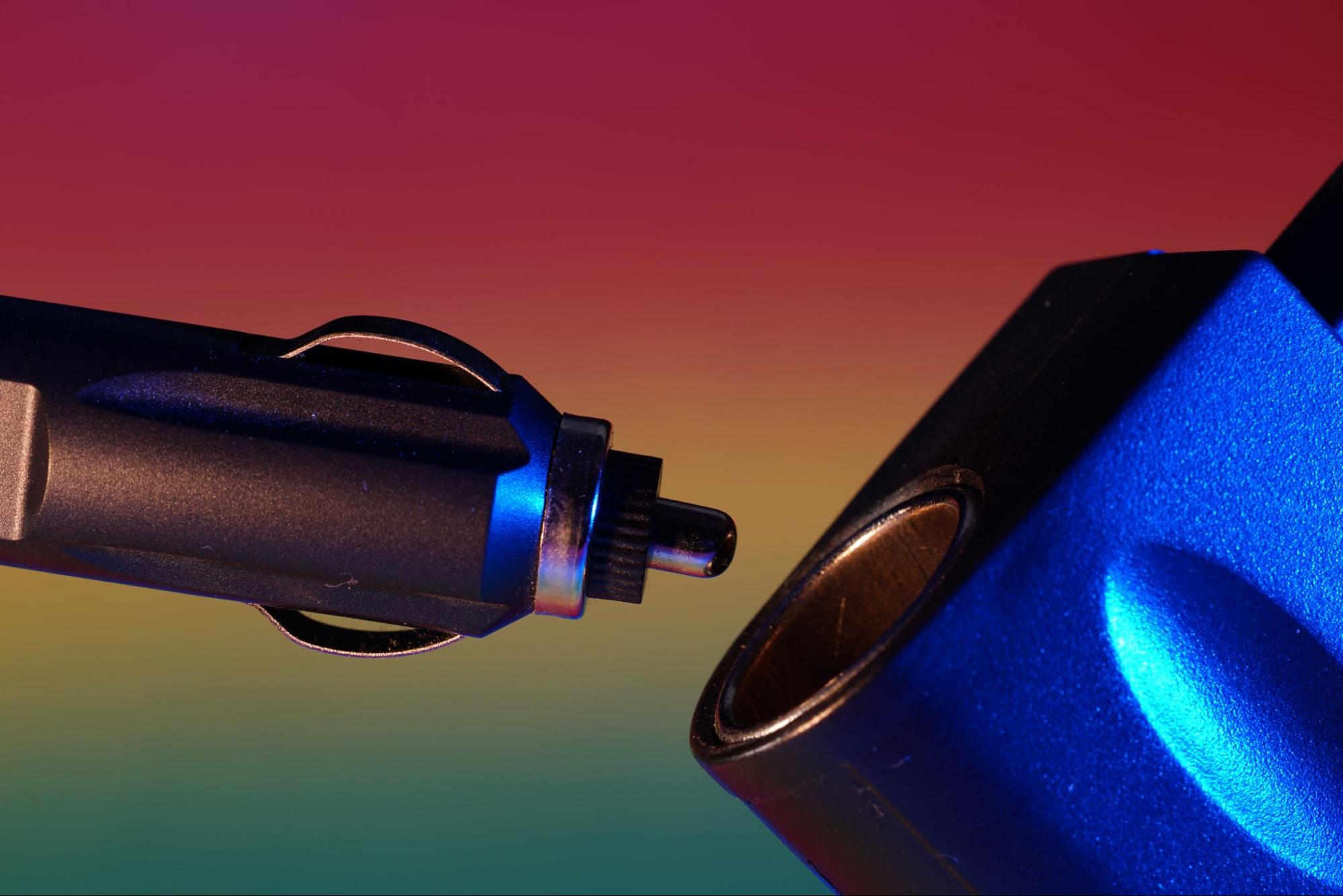
The ability to charge vaping devices in a vehicle adds a layer of convenience for users who spend considerable time on the road. Car chargers plug into the vehicle’s 12V cigarette lighter or power outlet, providing a charging solution that keeps devices powered during commutes or long trips. This option is particularly appealing for those who may need to remember to charge their device beforehand or find themselves with a depleted battery while away from home.
Wireless Charging for Vapes
Once a novel feature in smartphones, wireless charging technology has made its way into vaping, offering users an even more convenient charging method. This technology allows users to recharge their device by placing it on a charging pad, eliminating the need for cables or specific alignment with charging ports. Wireless charging in vaping devices speaks to the industry’s innovation and user-focused design.
Wireless charging requires ensuring that both the vaping device and the charging pad are compatible, which is usually indicated by Qi wireless charging standard certifications. This method represents the forefront of convenience in device charging, although it may come with a premium price tag and somewhat slower charging times.
How to Increase the Life of a Vape Battery
Increasing the lifespan of a vape battery enhances your vaping experience and ensures safety and cost-effectiveness over time. Here are strategies to help maximize the life of your vape battery:
Use the Right Charger for Your Vape
Always use the charger with your device or one the manufacturer recommends. Using an incompatible charger can cause damage to the battery or the device itself due to improper voltage or current.
Avoid Overcharging Your Vape
Leaving your vape device to charge overnight or beyond capacity can degrade the battery’s health. To prevent overcharging, unplug the device once it is fully charged.
Keep Vape Batteries Clean
Clean the battery contacts and the device’s charging port regularly with a dry cloth to ensure a good connection. It helps prevent power inefficiencies that can strain the battery.
Store Vape Chargers Properly
If you won’t use your vape device for an extended period, store the battery in a cool, dry place. Extreme hot and cold temperatures can significantly affect the battery’s performance and longevity. Ideally, the battery should be stored at about 40%- 60% charge.
Avoid Complete Discharge
Try not to let your battery completely discharge before recharging. Lithium-ion batteries, which are standard in vaping devices, prefer partial discharges to deep ones.
Use Vape Batteries Regularly
Batteries benefit from regular use. Letting a vape battery sit idle for too long can affect its ability to hold a charge. If you have multiple batteries, rotate their usage to keep them active.
Monitor Vape Battery Health
Pay attention to signs that your battery is deteriorating, such as decreased performance or the device not holding a charge as long as it used to. Replacing a battery at the right time can prevent potential safety issues and ensure consistent performance.
Protect Vape Batteries from Physical Damage
Protect your battery and device from keys, coins, or other metal objects that could cause a short circuit. Also, avoid dropping or physically damaging the battery and device.
Follow the Manufacturer’s Guidelines for Your Vape
Adhere to any specific recommendations provided by the device manufacturer regarding battery use, charging, and storage. These guidelines are designed to optimize the performance and lifespan of your battery.
Moderate Your Vape’s Power Settings
Using your device in high-power settings can drain the battery faster and reduce its lifespan. Use moderate settings to help your battery last longer.
Use High-Quality Vape Batteries
Invest in high-quality batteries from reputable brands. Cheaper, off-brand batteries may meet different standards, pose safety risks, or fail sooner.
Implementing these practices can significantly extend the life of your vape battery, improving the quality and safety of your vaping experience. Battery care is essential to device maintenance and impacts performance and longevity.
How to Correctly Use a Vape Charger
Correctly using a vape charger ensures your vaping device’s safety, efficiency, and longevity. Here’s a comprehensive guide to help you charge your vape device properly:
Use the Correct Vape Charger
Always use the charger with your vape device or one the manufacturer explicitly recommends. Chargers are designed with specific power outputs; an incompatible charger can damage your device or battery. Look for chargers with safety certifications like CE, UL, or RoHS, which indicate compliance with safety standards.
Read the Manual
Before charging your device for the first time, read the user manual. It contains crucial information about the proper charging method, charger type, and safety precautions.
Inspect the Vape Charger and Battery
Check the charger and the battery for any signs of damage, such as frayed cables, loose connections, or dents. Do not use damaged components. Ensure the battery contacts and charging port are clean. Dust or debris can cause poor connection and inefficient charging.
Connect Your Vape Properly
When plugging in your device, ensure the connection is safe, but don’t force the connector into the port. Misaligning the connection can damage the port or the charger. Plug the charger into a reliable power source. A computer or a power bank can charge your device, but it may be slower than a wall outlet.
Monitor the Vape Charging Process
Avoid leaving your device charging for an extended period after fully charging. Overcharging can reduce battery life. Charge your device in a safe, dry, and cool environment. Extreme temperatures and moisture can damage the battery and device.
Unplug Your Vape With Care
Once your device is fully charged, unplug the charger from the device first, then from the power source. This order can help prevent any potential electrical surge from damaging your device.
Store Your Vape Charger Safely
After use, store your charger in a dry, cool place. Avoid placing heavy objects on the charger and keep it away from water and high humidity.
Follow Vape Safety Precautions
Whenever possible, charge your device where you can monitor it. If you notice the device or charger getting excessively hot, unplug it immediately. Be cautious when charging in public spaces. Not only is there a risk of theft, but you must also ensure that the power source is safe and reliable.
Avoid Using Damaged Vape Devices
If your vape device or battery has been damaged, it’s crucial to stop using it immediately. Damaged batteries pose a significant safety risk, including the potential for fires or explosions.
Learn More About Vape Chargers For Your Smoking Devices
These guidelines ensure that your vape device is charged safely and efficiently, extending the life of your device and battery. Proper charging practices are an essential aspect of vape maintenance that should be noticed.
Visit our Select Vape blog to learn more about high-quality vape devices, bongs, and more!