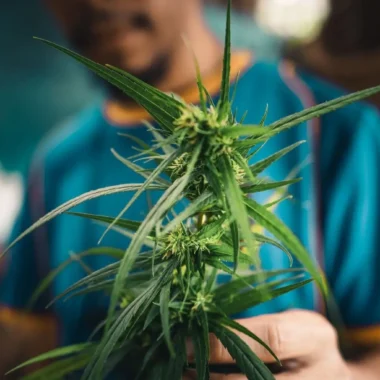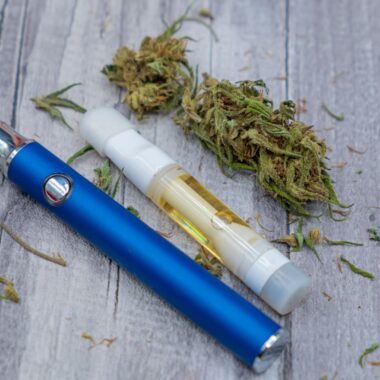







The extraction of cannabis concentrates has become a significant aspect of the cannabis industry, driven by the demand for potent and pure products. One of the most popular methods for creating these concentrates is using butane as a solvent. Butane Hash Oil (BHO) extraction, known for producing high-quality cannabis concentrates, has been at the forefront of this movement.
Understanding Cannabis Concentrates
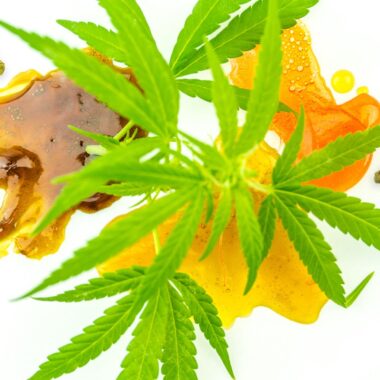
Cannabis concentrates are products that contain high levels of cannabinoids, primarily THC (tetrahydrocannabinol) and CBD (cannabidiol), derived from the cannabis plant. These concentrates come in various forms, including wax, shatter, budder, and oil, each with unique texture and potency. The primary goal of extraction is to isolate the desirable compounds from the plant material, resulting in a product that offers a more potent and pure experience than traditional cannabis flower.
The Butane Hash Oil (BHO) Extraction Process
Butane extraction is a popular method for producing cannabis concentrates due to its efficiency and ability to preserve the plant’s terpenes and cannabinoids. Here’s a detailed overview of the BHO extraction process:
1. Preparing the Cannabis Material
The first step in BHO extraction involves preparing the cannabis material. High-quality cannabis flower or trim is used and often frozen to preserve the terpenes and cannabinoids and to make the extraction process more efficient.
2. Loading the Extraction Tube
The prepared cannabis material is packed into an extraction tube designed to hold the cannabis securely while allowing butane to pass through it. The packing should be tight enough to prevent channeling but not so tight that it restricts the flow of butane.
3. Introducing the Butane
Butane is introduced into the extraction tube, usually from a pressurized canister. As the butane passes through the cannabis material, it dissolves the cannabinoids, terpenes, and other compounds. This butane-cannabis mixture is collected in a separate container.
4. Evaporating the Butane
The collected mixture contains both the desired compounds and the butane solvent. The butane evaporates to separate the compounds and solvent, typically using a vacuum oven or a heated purge system. This step is crucial to remove all residual butane, resulting in a safe and pure concentrate.
5. Purging and Refining
The final step involves purging any remaining traces of butane using various methods, including additional vacuum purging or heat. The concentrate may also be refined further to improve its texture and potency, resulting in products like shatter, wax, or oil.
Benefits of Using Butane for Extraction
Butane extraction has several advantages that make it a preferred method for producing cannabis concentrates:
High Efficiency
Butane is an efficient solvent that effectively dissolves cannabinoids and terpenes, producing high concentrate yields. This efficiency makes it a cost-effective option for large-scale production.
Preservation of Terpenes
One of the significant benefits of butane extraction is its ability to preserve the plant’s terpenes. Terpenes are responsible for the aroma and flavor of cannabis, and their preservation results in a concentrate that retains the full spectrum of the plant’s characteristics.
Versatility
Butane extraction allows for producing various types of concentrates, including shatter, wax, budder, and oil. This versatility caters to different consumer preferences and product applications.
Purity and Potency
BHO concentrates are known for their high purity and potency. The extraction process effectively isolates the cannabinoids and terpenes while removing unwanted plant material and contaminants.
Challenges and Risks of Butane Extraction
While butane extraction offers numerous benefits, it also presents certain challenges and risks that must be addressed.
Safety Concerns
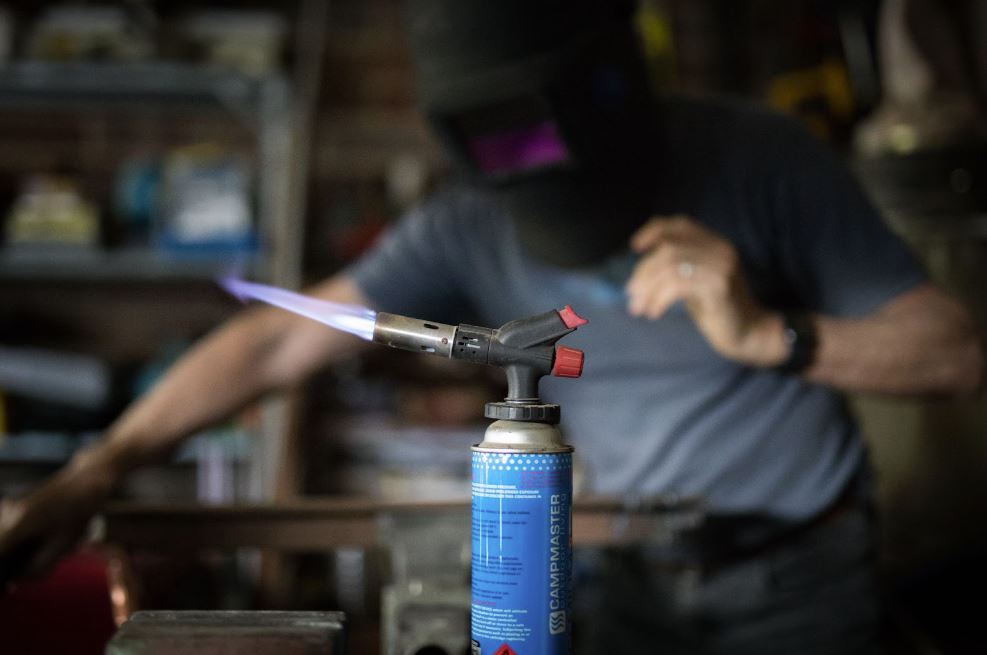
Butane is a highly flammable gas, and improper handling can lead to dangerous situations, including explosions and fires. Proper ventilation, equipment, and safety protocols are essential to mitigate these risks.
Residual Solvents
One of the primary concerns with BHO concentrates is the presence of residual solvents. Incomplete purging can result in butane residues in the final product, which can be harmful if inhaled. Rigorous purging and testing are necessary to ensure product safety.
Environmental Impact
The use of butane as a solvent has environmental implications. Butane is a fossil fuel, and its extraction and use contribute to greenhouse gas emissions. Exploring alternative solvents and improving extraction efficiency can help mitigate the environmental impact.
Regulatory Compliance
The production of BHO concentrates must adhere to strict regulatory standards to ensure consumer safety. Compliance with these regulations can be complex and requires a thorough understanding and implementation of best practices.
Safety Measures in Butane Extraction
Implementing robust safety measures is crucial, given the risks associated with butane extraction. Here are some key considerations:
Proper Ventilation
Extraction facilities must have adequate ventilation to prevent the buildup of butane gas. Proper ventilation includes using fume hoods and exhaust systems and ensuring the extraction is conducted in well-ventilated areas.
Explosion-Proof Equipment
Using explosion-proof equipment and electrical systems can significantly reduce the risk of ignition. The equipment includes explosion-proof fans, lights, and switches.
Personal Protective Equipment (PPE)
Operators should wear appropriate PPE, including gloves, goggles, and flame-resistant clothing, to protect themselves from hazards.
Training and Protocols
All personnel involved in butane extraction must undergo thorough training on the extraction process, equipment operation, and emergency response protocols. Regular safety drills and adherence to standard operating procedures (SOPs) are also critical.
Testing and Quality Control
Routine testing for residual solvents and contaminants ensures that the final product meets safety standards. Implementing rigorous quality control measures throughout the extraction process helps maintain product integrity and safety.
Alternative Extraction Methods
While butane extraction is popular, alternative methods are gaining traction due to their safety and environmental benefits. Here are a few alternatives:
CO2 Extraction
CO2 extraction uses supercritical carbon dioxide as a solvent to extract cannabinoids and terpenes. This method is considered safer and more environmentally friendly than butane extraction. CO2 extraction also allows for precise control over temperature and pressure, resulting in high-quality concentrates.
Ethanol Extraction
Ethanol extraction is another popular method that uses food-grade ethanol as a solvent. This method is effective for producing full-spectrum concentrates and is less hazardous than butane extraction. However, removing chlorophyll and other unwanted compounds may require additional steps.
Rosin Press Extraction
Rosin press extraction is a solventless method that uses heat and pressure to extract cannabinoids and terpenes from cannabis material. This method is safe and straightforward and produces high-quality concentrates without solvents.
The Future of Butane Extraction
The cannabis industry continues to evolve, and so do extraction technologies and methods. While butane extraction remains popular, there is a growing emphasis on improving safety, efficiency, and environmental sustainability. Here are some trends and developments shaping the future of butane extraction:
Advancements in Equipment
Innovations in extraction equipment are making butane extraction safer and more efficient. Automated systems, closed-loop extraction setups, and improved purging technologies enhance the extraction process.
Hybrid Extraction Methods
Hybrid extraction methods that combine butane with other solvents or techniques are emerging. These methods aim to optimize the benefits of each solvent while minimizing their drawbacks. For example, combining butane and ethanol extraction can improve yield and terpene preservation.
Enhanced Safety Protocols
As the industry matures, there is a greater focus on establishing and enforcing stringent safety protocols. Regulatory agencies and industry organizations are working together to develop comprehensive guidelines and standards for butane extraction facilities.
Sustainable Practices
Sustainability is becoming a key consideration in the cannabis industry. Efforts to reduce the environmental impact of butane extraction include exploring alternative solvents, improving energy efficiency, and adopting eco-friendly practices.
Consumer Education
Educating consumers about the extraction process and product safety is crucial. Transparent labeling and providing information about residual solvent testing can help build consumer trust and confidence in BHO concentrates.
Butane Fuel Extraction Legal and Regulatory Considerations
The legal landscape surrounding cannabis extraction is complex and varies significantly across different regions. As the cannabis industry continues to grow and evolve, staying compliant with legal and regulatory requirements is paramount for producers and businesses involved in the extraction process.
Federal and State Regulations
In the United States, cannabis laws differ between federal and state levels. While cannabis remains illegal under federal law, many states have legalized its medical and/or recreational use. These states have established their regulatory frameworks governing the production, distribution, and sale of cannabis products, including concentrates.
Health and Safety Standards
Health and safety standards are critical in the cannabis extraction industry. Regulatory bodies often mandate that extraction facilities implement comprehensive safety protocols to protect workers and consumers. These protocols include proper ventilation, the use of explosion-proof equipment, and rigorous testing for residual solvents and contaminants.
Residual Solvent Testing
One of the primary concerns with butane extraction is the potential presence of residual solvents in the final product. Regulatory agencies require cannabis concentrates to undergo stringent testing to ensure they meet acceptable limits for residual solvents. Accredited third-party laboratories conduct these tests and involve sophisticated analytical techniques like gas chromatography.
Environmental Regulations
Environmental sustainability is increasingly becoming a focal point in the cannabis industry. Extraction processes that use solvents like butane must comply with environmental regulations to minimize their ecological impact. These regulations include proper disposal of solvent waste, reducing emissions, and implementing energy-efficient practices.
Staying Informed and Adapting
The regulatory landscape for cannabis is continually evolving, with new laws and guidelines introduced regularly. Producers and businesses must stay informed about the latest developments and adapt their practices accordingly.
Butane Fuel in Cannabis Extraction and Industry Evolution
Butane fuel plays a significant role in the extraction of cannabis concentrates, offering efficiency, versatility, and the ability to produce high-quality products. While butane extraction has challenges and risks, implementing robust safety measures and adhering to regulatory standards can mitigate these concerns. Advancements in extraction technologies and methods are paving the way for safer, more efficient, and sustainable practices. Staying informed and adopting best practices ensures the production of safe and high-quality cannabis concentrates, meeting the demands of an ever-growing market.
Stay informed by visiting our Select Vape blog and explore the latest trends shaping the future of cannabis extraction.