




In recent years, the popularity of wax vaporizers has surged, especially among individuals seeking an alternative to traditional smoking methods. Wax vaporizers, often referred to as dab pens, are devices designed to vaporize cannabis concentrates, commonly known as wax, shatter, or budder. These devices offer a convenient, discreet, and efficient way to consume cannabis. We will explore the technology, chemistry, and physics that make wax vaporizers work, providing a detailed understanding of their operation and benefits.
Understanding Cannabis Concentrates
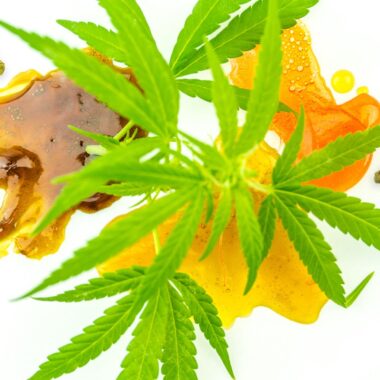
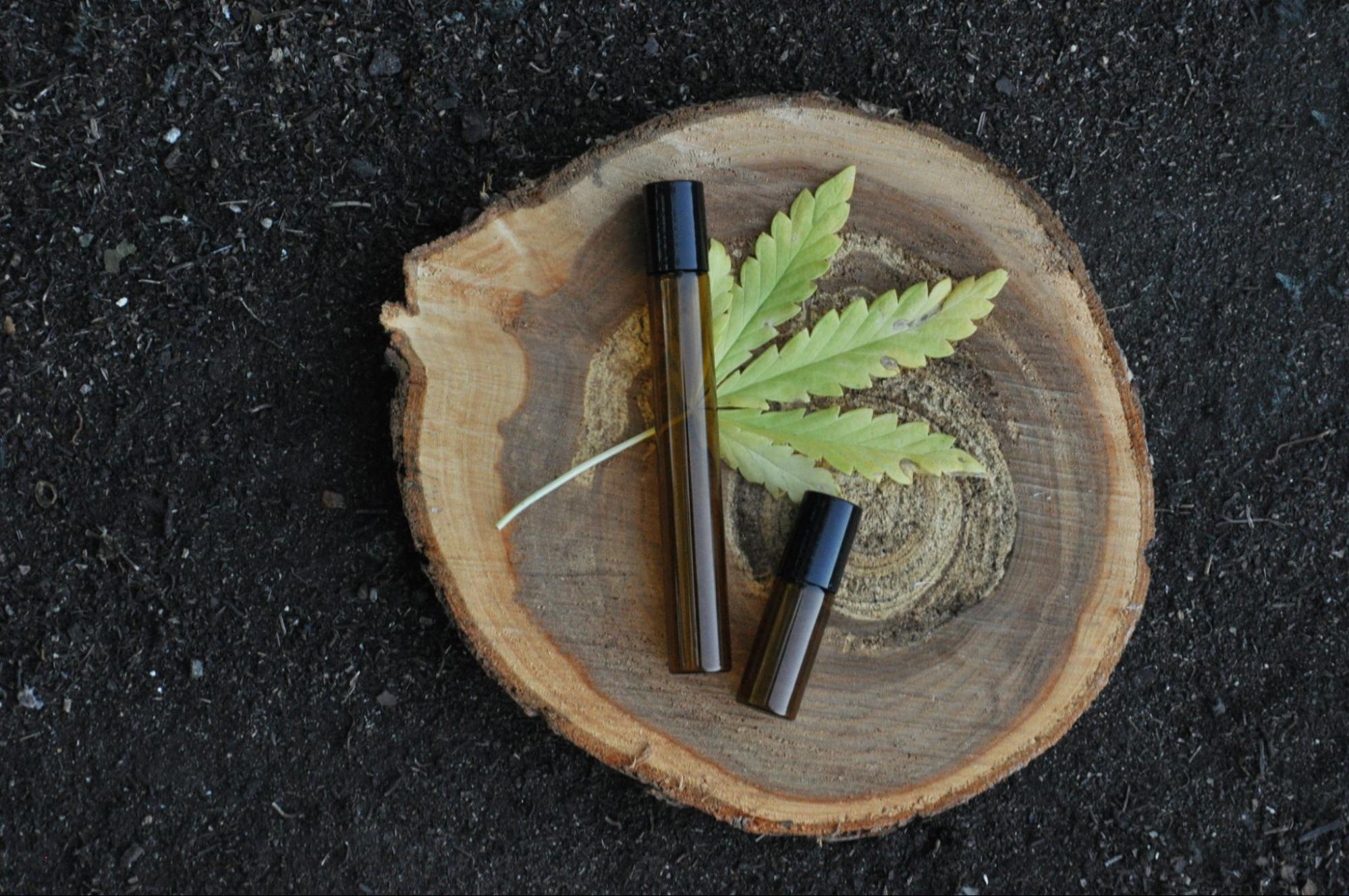
Before delving into the specifics of wax vaporizers, it’s essential to understand cannabis concentrates. Cannabis concentrates are potent extracts derived from the cannabis plant, containing high levels of cannabinoids, particularly tetrahydrocannabinol (THC) and cannabidiol (CBD). These concentrates come in various forms, including wax, shatter, budder, and crumble, each with unique textures and consistencies.
Extraction Methods
The production of cannabis concentrates involves several extraction methods, each using different solvents and techniques to isolate the desired compounds:
Butane Hash Oil (BHO) Extraction
This method uses butane as a solvent to extract cannabinoids and terpenes from the cannabis plant. The resulting concentrate is often called wax or shatter, depending on its texture.
CO2 Extraction
This method uses supercritical carbon dioxide to produce a clean and potent concentrate by extracting cannabinoids without leaving behind harmful residues.
Ethanol Extraction
Ethanol dissolves cannabinoids and terpenes in plant material. The solvent evaporates, leaving behind a concentrated extract.
Rosin Pressing
This solventless method involves applying heat and pressure to cannabis flowers or hash to extract a concentrate known as rosin.
The Components of a Wax Vaporizer
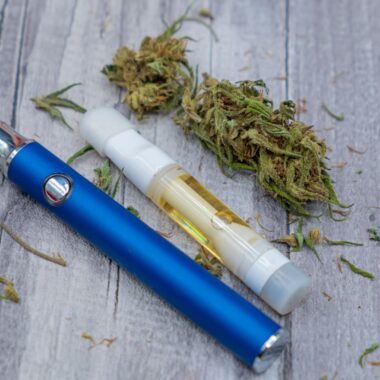
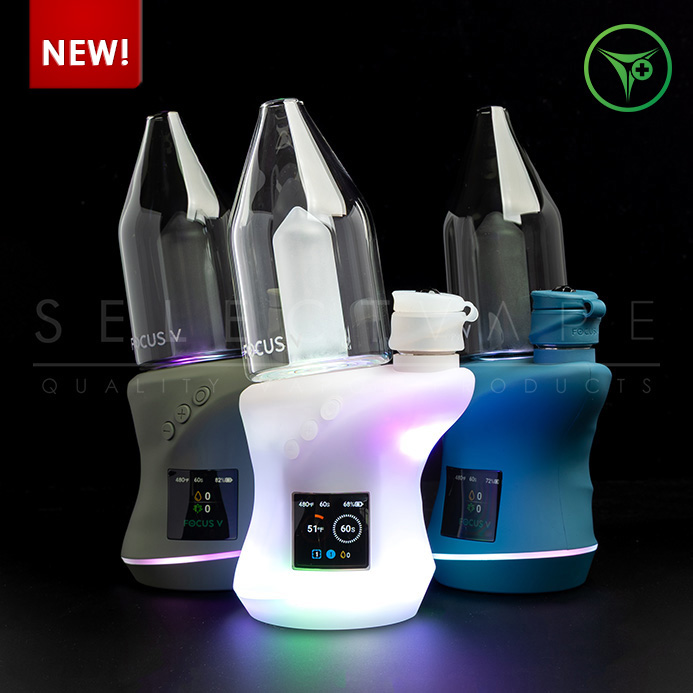
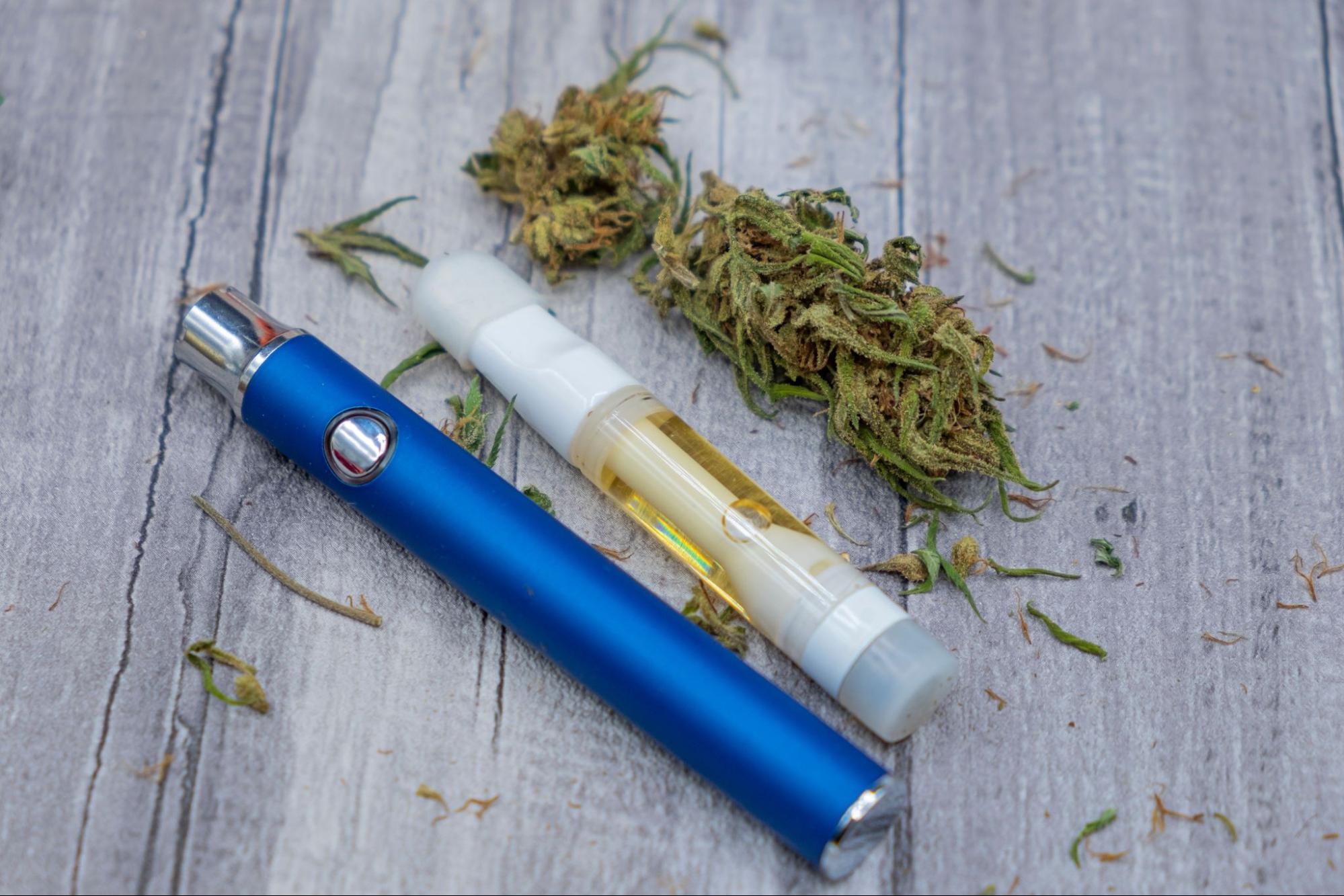
Wax vaporizers are sophisticated devices that combine several vital components to vaporize cannabis concentrates efficiently. Understanding these components is crucial to grasping how these devices work.
Battery
The battery is the power source of the wax vaporizer. Most wax vaporizers use rechargeable lithium-ion batteries due to their high energy density and long lifespan. The battery provides the necessary power to heat the atomizer, which vaporizes the concentrate.
Atomizer
The atomizer is the component responsible for heating the cannabis concentrate to its vaporization point. It typically consists of a heating element made from quartz, ceramic, or titanium. These materials are chosen to withstand high temperatures and provide even heating.
Coil
A coil heats up within the atomizer when an electrical current passes through it. The coil can be made from various materials, including kanthal, stainless steel, or nickel. The type of coil used affects the vaporization process and the flavor profile of the vapor.
Chamber
The chamber, or loading area, is where the cannabis concentrate is placed. It is usually located directly above the heating element. The chamber can vary in size and design, influencing the amount of concentrate vaporized at once.
Mouthpiece
The mouthpiece is the vaporizer part through which the user inhales the vapor. It is ergonomic and ensures a smooth draw. Some mouthpieces are detachable, making them easier to clean and maintain.
The Science of Vaporization
The core principle behind wax vaporizers is vaporization, which converts a liquid or solid substance into vapor. Unlike combustion, which burns the material, vaporization heats it to a temperature where the active compounds release without burning. This distinction is crucial for understanding the health benefits and efficiency of vaporizers.
Temperature Control
One of the most significant advantages of wax vaporizers is precise temperature control. Different cannabinoids and terpenes vaporize at various temperatures. For instance, THC vaporizes at approximately 315°F (157°C), while CBD requires a higher temperature of around 356°F (180°C). Terpenes, which contribute to the flavor and aroma of cannabis, have their unique boiling points. By controlling the temperature, users can customize their experience and maximize the therapeutic benefits of the concentrate.
Heat Conduction vs. Heat Convection
Wax vaporizers utilize either conduction or convection heating methods:
Conduction Heating
In conduction vaporizers, the concentrate directly interacts with the heating element. This method provides rapid heating but can result in uneven vaporization if improperly managed.
Convection Heating
Convection vaporizers use hot air to vaporize the concentrate. The heating element heats the air, passing it over the concentrate and producing vapor. This method ensures even heating and efficient extraction of cannabinoids and terpenes.
Vapor Path
The design of the vapor path, which is the route the vapor takes from the heating element to the mouthpiece, affects the flavor and purity of the vapor. A well-designed vapor path minimizes vapor exposure to plastics and other materials that could alter its taste. High-quality vaporizers use inert materials like glass or ceramic for the vapor path to preserve the flavor and purity of the vapor.
The Chemistry of Cannabinoids and Terpenes
To fully understand the science behind wax vaporizers, it’s important to explore the chemistry of cannabinoids and terpenes, the active compounds in cannabis that provide its therapeutic effects.
Cannabinoids
Cannabinoids are a class of chemical compounds found in the cannabis plant. The two most well-known cannabinoids are THC and CBD, but there are over 100 other cannabinoids with varying effects.
THC (Tetrahydrocannabinol)
THC is the primary psychoactive compound in cannabis, responsible for the “high” associated with its use. It interacts with the body’s endocannabinoid system, binding to CB1 receptors in the brain and nervous system.
CBD (Cannabidiol)
CBD is non-psychoactive and is known for its therapeutic properties. It interacts with CB1 and CB2 receptors in the endocannabinoid system, providing pain relief, anti-anxiety effects, and anti-inflammatory properties.
Terpenes
Terpenes are aromatic compounds found in many plants, including cannabis. They contribute to the plant’s aroma and flavor and have their therapeutic properties. Some common terpenes in cannabis include:
- Myrcene: Known for its earthy, musky aroma, myrcene has sedative and anti-inflammatory effects.
- Limonene: With a citrusy scent, limonene is known for its mood-enhancing and anti-anxiety properties.
- Pinene: Pinene is found in pine needles. It has a fresh, pine-like aroma and offers anti-inflammatory and bronchodilator benefits.
- Linalool: Linalool has a floral, lavender scent known for its calming and anti-anxiety effects.
The Physics of Vaporization
The process of vaporization involves several physical principles that contribute to the efficient extraction of cannabinoids and terpenes from cannabis concentrates.
Heat Transfer
Heat transfer is a fundamental concept in the operation of wax vaporizers. The heating element transfers heat to the concentrate through conduction or convection, causing the cannabinoids and terpenes to vaporize. Efficient heat transfer ensures that the concentrate reaches its vaporization point quickly and evenly.
Boiling Point
Each compound in cannabis has a specific boiling point, the temperature at which it transitions from a liquid to a gas. Understanding the boiling points of cannabinoids and terpenes is crucial for setting the appropriate temperature on a wax vaporizer. Vaporizing at the correct temperature ensures the desired compounds are released without degrading or burning.
Vapor Pressure
Vapor pressure is a vapor’s pressure in equilibrium with its liquid or solid phase. At the boiling point, the vapor pressure of a compound equals the atmospheric pressure, allowing it to vaporize. The design of wax vaporizers takes into account the vapor pressure of cannabinoids and terpenes to optimize the vaporization process.
Benefits of Using Wax Vaporizers
Wax vaporizers offer several advantages over traditional smoking methods and other vaporizers. Here are some of the key benefits:
Healthier Alternative to Smoking
Vaporization eliminates the harmful byproducts of combustion, such as tar and carcinogens, making it a healthier option for consuming cannabis. By avoiding combustion, users can enjoy the therapeutic benefits of cannabinoids and terpenes without the negative health impacts associated with smoking.
Discreet and Convenient
Wax vaporizers are typically small, portable, and easy to use. They produce less odor than smoking, making them a discreet option for consuming cannabis in public or private settings. The convenience of on-the-go vaping allows users to enjoy their concentrate without the need for bulky equipment or extensive preparation.
Efficiency and Potency
Cannabis concentrates are more potent than flower and contain higher levels of cannabinoids. Wax vaporizers efficiently vaporize these concentrates, ensuring users get the most out of their product. The precise temperature control allows for optimal extraction of cannabinoids and terpenes, enhancing the overall experience.
Flavor Preservation
Terpenes, the aromatic compounds in cannabis, are highly sensitive to heat. Wax vaporizers allow for lower temperature settings that preserve the delicate flavors and aromas of the concentrate. This preservation enhances the sensory experience and will enable users to appreciate the full spectrum of flavors present in their cannabis.

Maintenance and Safety of Wax Vaporizers
Proper maintenance and safety practices are essential for ensuring wax vaporizers’ longevity and optimal performance. Here are some tips for maintaining your device and ensuring safe use:
Regular Cleaning
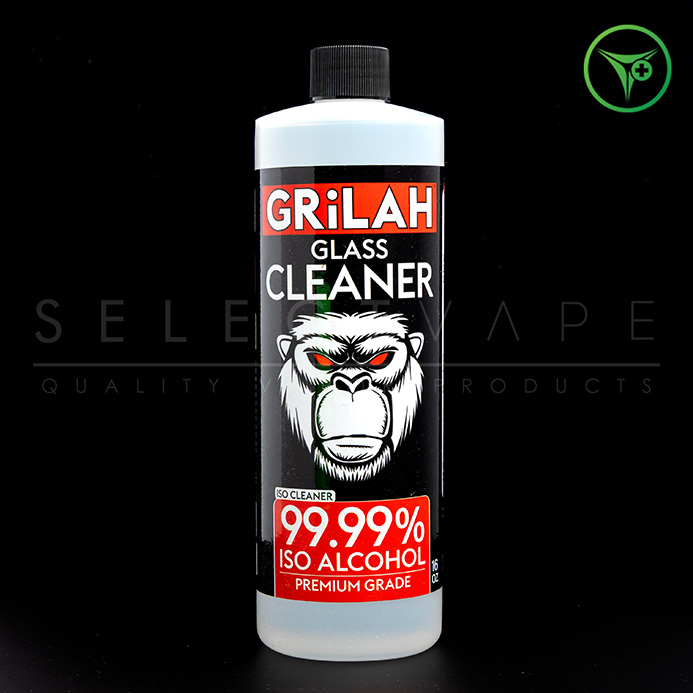
Regularly cleaning your wax vaporizer prevents the buildup of residue, which can affect the flavor and efficiency of the device. Use a cotton swab dipped in isopropyl alcohol to clean the atomizer, coil, and mouthpiece. Be sure to follow the manufacturer’s instructions for cleaning to avoid damaging the device.
Battery Safety
Lithium-ion batteries used in wax vaporizers require proper handling and care. Avoid exposing the battery to extreme temperatures; do not overcharge or discharge it completely. Use the charger provided by the manufacturer and store the battery in a cool, dry place.
Proper Loading
Avoid overloading the chamber with concentrate, which can cause clogging and uneven vaporization. Follow the manufacturer’s guidelines for the appropriate amount of concentrate to use. Loading the right amount ensures efficient vaporization and prevents waste.
Temperature Settings
Start with a lower temperature setting and gradually increase it to find the optimal temperature for your concentrate. Different concentrates may require different temperatures for the best vaporization. Experimenting with temperature settings allows you to customize your experience and achieve the desired effects.
Storage
Store your wax vaporizer and concentrate in a cool, dry place away from direct sunlight. Proper storage helps maintain the concentrate’s potency and flavor and extends your vaporizer’s lifespan.
Advanced Technology and Benefits of Wax Vaporizers
Wax vaporizers represent a significant advancement in cannabis consumption technology, offering a healthier, more efficient, and customizable experience compared to traditional smoking methods. By understanding the science behind these devices, users can make informed decisions about their use and maintenance, ensuring the best possible experience. The precise temperature control, efficient heat transfer, and preservation of cannabinoids and terpenes make wax vaporizers a preferred choice.
Visit our Select Vape blog for more insights into the latest advancements in cannabis technology and detailed guides on various consumption methods. Also, remember to explore our wide selection of high-quality wax vaporizers and accessories on our website.