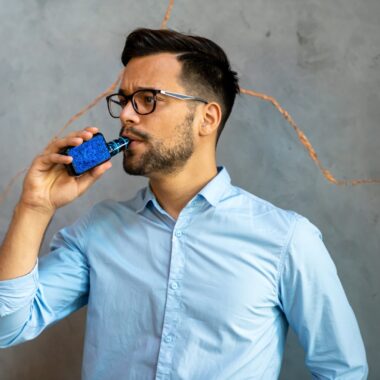
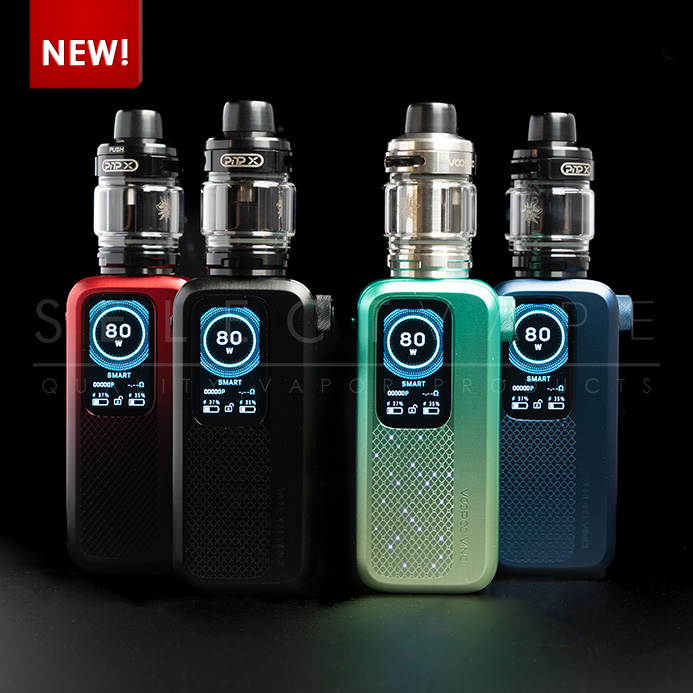

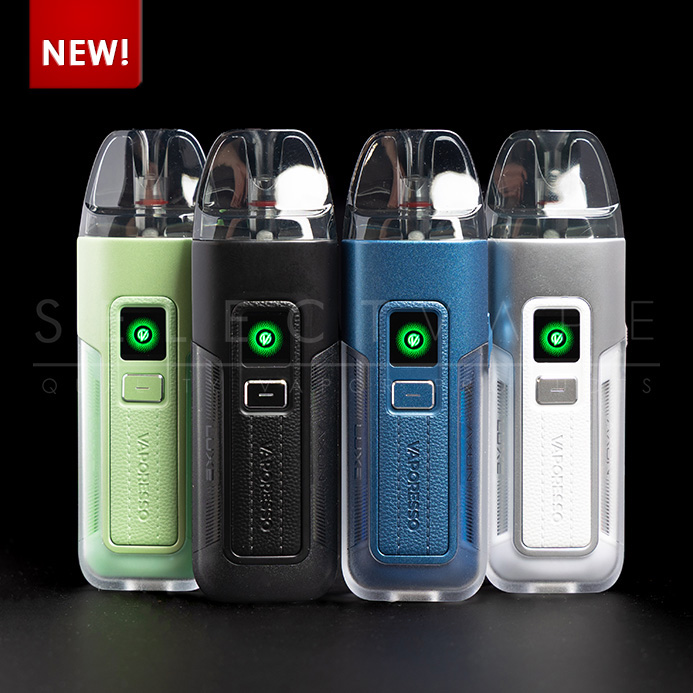
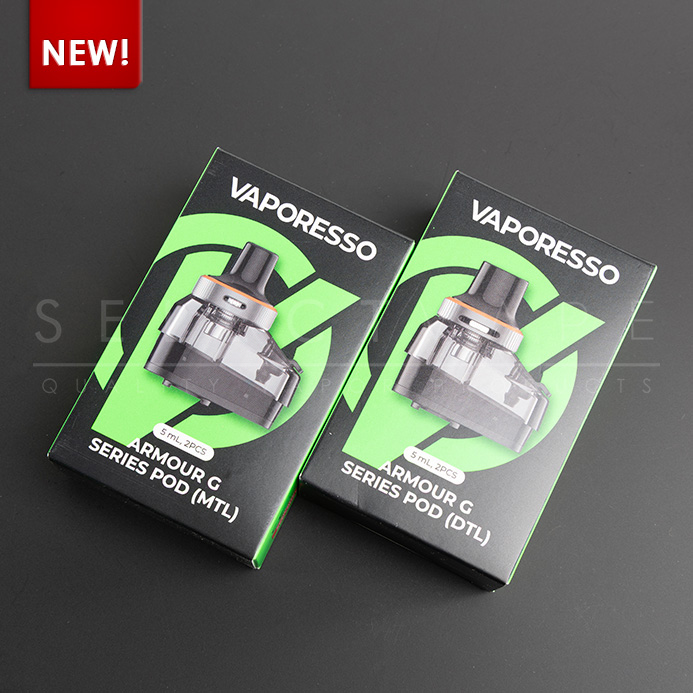
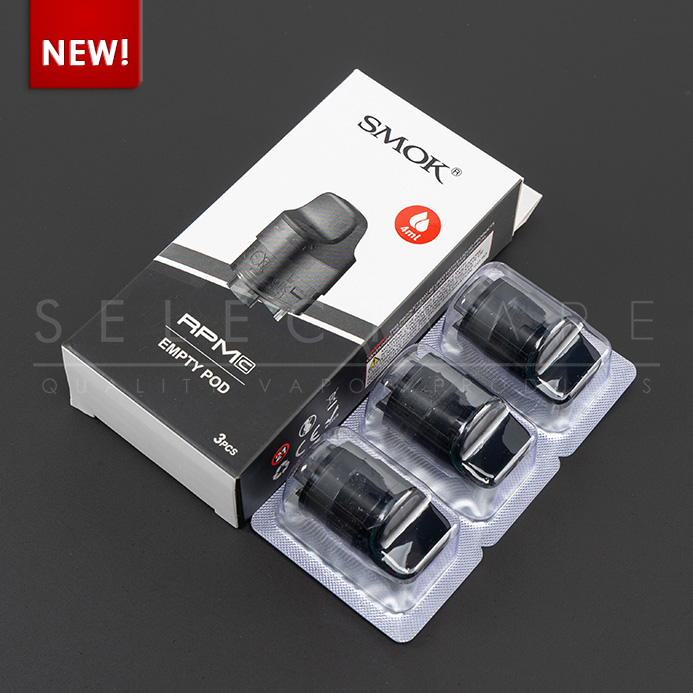

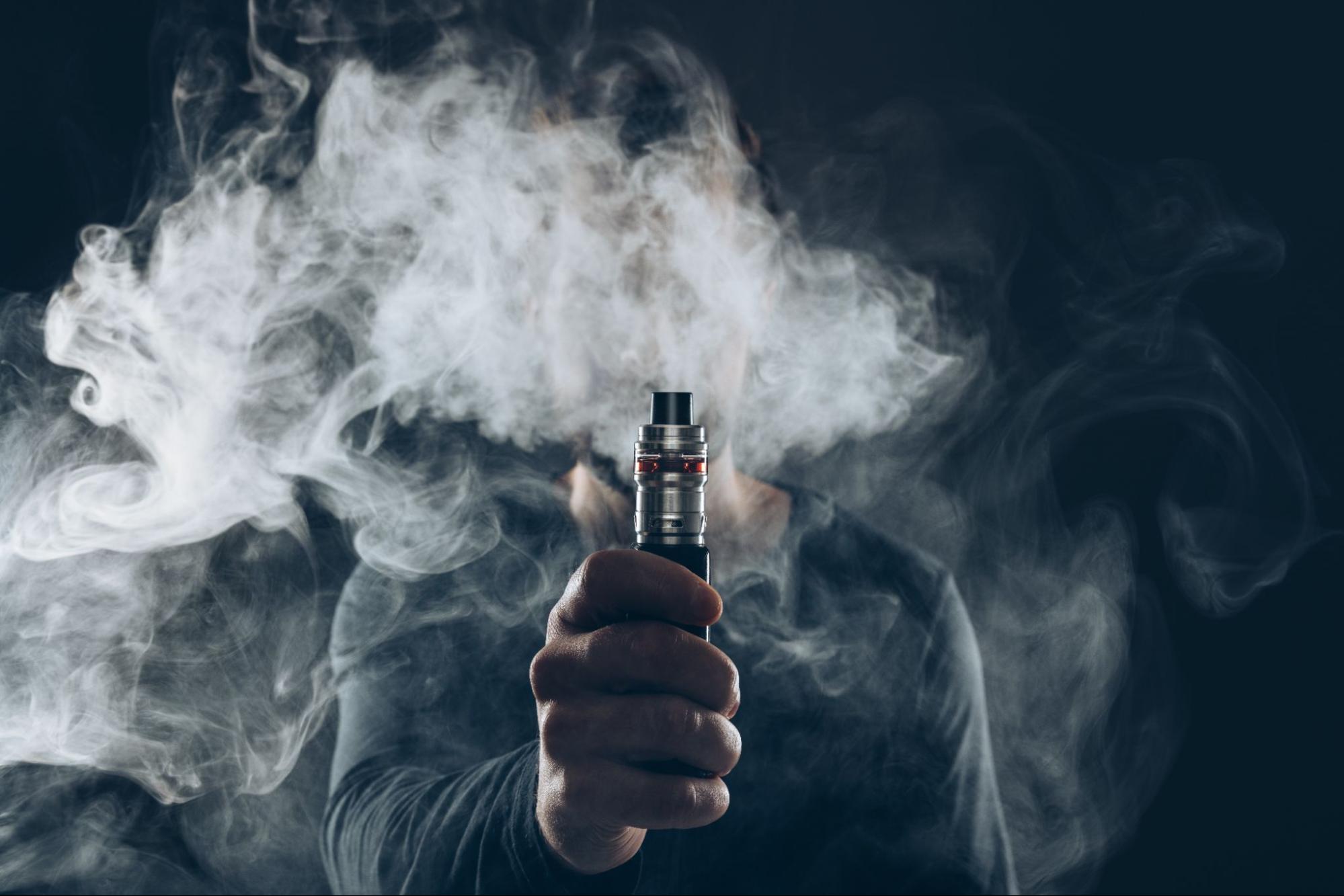
Vaping stands as a popular alternative to smoking cigarettes, offering a less harmful method for consuming nicotine and other substances. At the heart of the vaping experience lies the vape tank, a critical component that houses the e-liquid, heating element, and wick. It plays a pivotal role in vaping by holding the liquid until it is vaporized. The tank is attached to the main body of the vape device, which provides the power needed to heat the coil.
Components and Functionality of Vape Tanks
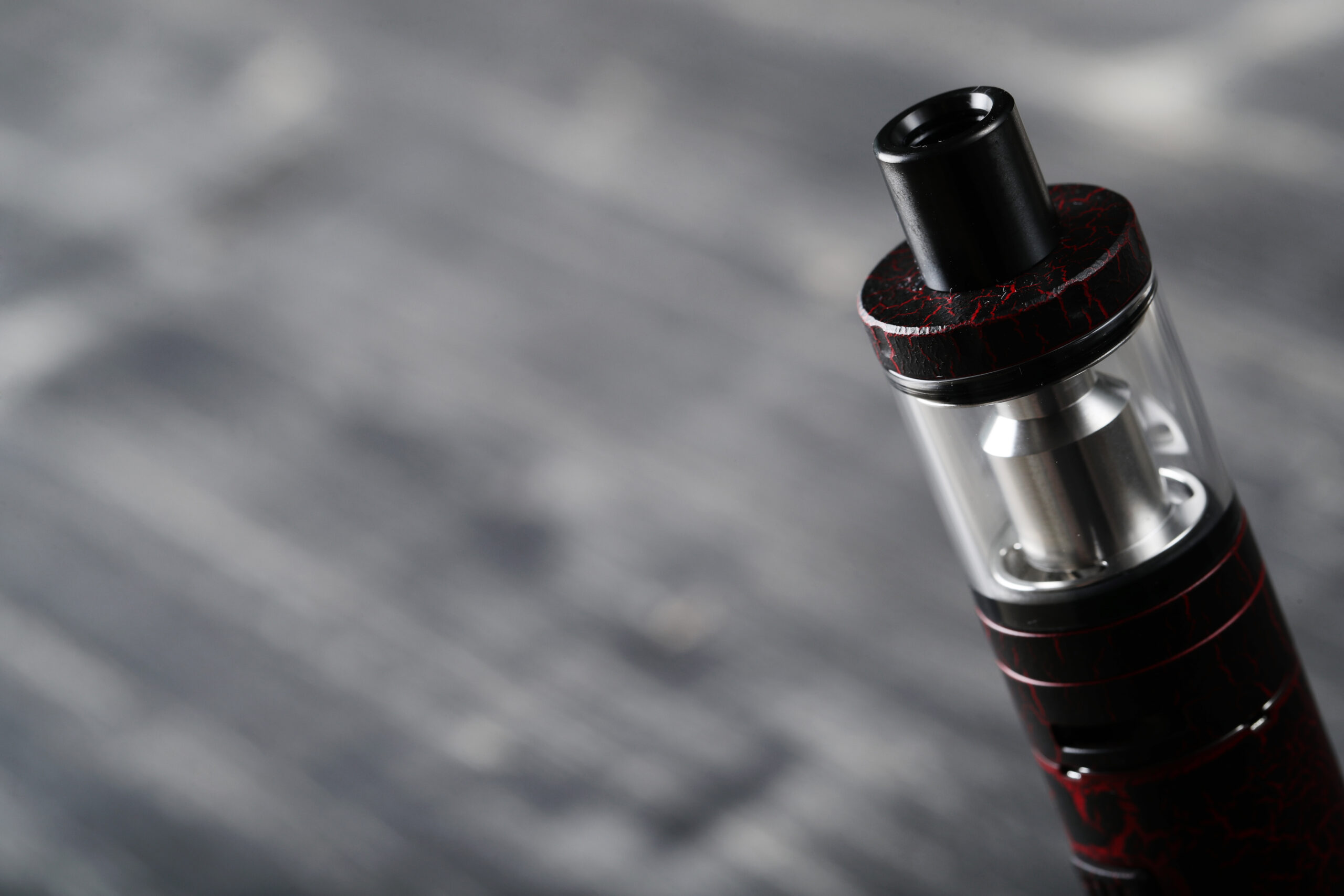
Vape tanks are critical to the performance of e-cigarettes, delivering vaporized e-liquid through a carefully designed system. At the heart of a vape tank’s functionality are its key components, each playing a pivotal role in the vaping process:
Coil
The coil is the heart of the vape tank, responsible for heating the e-liquid and transforming it into vapor. It is typically made from various materials, including kanthal, stainless steel, and nickel, each offering different heating properties and resistance levels.
Tank Body
The tank body serves as the reservoir for the e-liquid. Usually made from glass or durable plastic, it stores the liquid and allows vapers to monitor the remaining amount, ensuring they never run out unexpectedly.
Drip Tip
The drip tip acts as the tank’s mouthpiece, drawing vapor from the device into the user’s mouth. Available in various shapes and sizes, the drip tip can significantly affect the draw’s intensity and the vapor’s temperature, providing a customizable vaping experience.
Airflow Control
This crucial feature allows vapers to adjust the draw’s tightness and the vapor’s temperature. By modifying the airflow, users can tailor their vaping experience to suit their preference for more or less vapor and warmer or cooler draws.
These components work together to provide a seamless and enjoyable vaping experience, allowing for customization that caters to the preferences of individual users. Understanding these parts can help users maintain their devices and enjoy a superior vape.
How Do Vape Tanks Work?
Vape tanks function through a relatively straightforward but ingenious process, transforming e-liquid into vapor that users inhale. The operation of a vape tank involves several key components and steps:
Storage of E-Liquid
The primary function of a vape tank is to hold the e-liquid. It is designed with a reservoir to store the liquid until it is heated and vaporized. This reservoir is usually made from glass or a durable type of plastic, which is resistant to the corrosive nature of nicotine and various flavorings in the e-liquid.
Wicking Material
Inside the tank, a wicking material, typically made from cotton, absorbs the e-liquid and transports it to the coil. The quality and type of wicking material can affect how efficiently the e-liquid is vaporized and, consequently, the intensity and flavor of the vapor.
Heating Element (Coil)
The coil is a critical component made from a resistive material, often a metal like kanthal, nickel, or stainless steel. It heats up when power is applied from the vape device’s battery. The resistance level of the coil determines how much heat is generated; lower resistances produce more heat, which is used to create larger amounts of vapor.
Vaporization Process
As the wick brings the e-liquid to the coil, the heat from the coil turns the liquid into vapor. The temperature must be high enough to vaporize the liquid but controlled to prevent burning the wicking material, which can result in an unpleasant taste.
Inhalation
The user inhales through the tank’s mouthpiece, which draws air into the tank. This airflow is crucial because it helps to cool the coil and ensures that the vapor produced is carried to the user’s mouth. Airflow can often be adjusted via airflow control valves on the tank, allowing users to customize the draw resistance and the temperature of the vapor to their liking.
Condensation to Inhalation
As the vapor is drawn from the coil area through the mouthpiece, the user inhales air and vaporizes the e-liquid. This vapor delivers nicotine (if present), flavorings, and other components of the e-liquid to the user in a form that mimics the act of smoking but without the combustion of traditional tobacco products.
This process highlights the efficiency of vape tanks in delivering a customizable vaping experience. Users can enjoy various flavors and vapor densities depending on their preferences and the specifics of their vape tank and device setup.
Types of Vape Tanks
The landscape of vape tanks is diverse, catering to various preferences and styles. Each type offers unique features designed to enhance the vaping experience differently.
Clearomizers
These are the most accessible tanks, ideal for beginners due to their simple design and ease of use. They feature a transparent tank for monitoring e-liquid levels and usually have replaceable coil heads, making maintenance straightforward.
Sub-Ohm Tanks
These tanks are preferred by vapers who prioritize a more robust vaping experience. They work with coils with less than one-ohm resistance and produce vast clouds of vapor and intense flavors.
Rebuildable Tank Atomizers (RTAs)
RTAs appeal to those who enjoy customizing their setup. They combine the convenience of having a tank to hold e-liquid with the ability to build and wick their coils, offering a more personalized vaping experience.
Rebuildable Dripping Atomizers (RDAs)
For vapers who prioritize flavor above all, RDAs are the go-to option. They require manual e-liquid dripping onto the coils and wick, offering unparalleled flavor intensity and the ability to switch between flavors frequently.

How to Choose the Right Vape Tank
Choosing the right vape tank is crucial for ensuring a satisfying vaping experience. Several key factors should guide your selection whether you’re new to vaping or looking to upgrade your setup. To navigate the options, you must consider the following:
Your Vaping Style
A vaping style refers to the method or technique a vaper uses to inhale the vapor from an electronic cigarette or vaping device. It’s influenced by personal preference and the type of vaping equipment used.
Mouth-to-Lung (MTL)
If you prefer a vaping style similar to smoking cigarettes, where you first draw vapor into your mouth and then inhale it into your lungs, look for tanks designed for MTL vaping. These tanks usually have tighter airflow and work well with higher-resistance coils.
Direct-to-Lung (DTL)
These tanks are the better choice for those who enjoy inhaling directly into the lungs for bigger vapor clouds. These tanks typically have larger airflow channels and use lower resistance coils.
Coil Compatibility and Resistance
The resistance of the coils you plan to use is a significant consideration. Lower resistance (sub-ohm) coils produce more vapor and flavor but require more power and e-liquid. Ensure the tank is compatible with the range of coils you intend to use.
Tank Capacity
Tank size determines how often you’ll need to refill it. Larger tanks offer more convenience by holding more e-liquid, reducing the frequency of refills. However, they can be bulkier. Consider your preference for size versus convenience.
Ease of Use
Ease of use is a critical factor for beginners. Look for tanks that are easy to fill, have replaceable coils, and require minimal maintenance. Top-fill designs are exceptionally user-friendly.
Build Quality and Material
A good vape tank should be made from quality materials that ensure durability and safety. Glass or Pyrex tanks are preferred over plastic ones, as they are less likely to react with acidic e-liquids.
Airflow Control
Adjustable airflow allows you to customize the draw resistance and vapor temperature. If you prefer a tighter draw, look for tanks with more restrictive airflow options. Conversely, if you like airy draws, choose a tank with wide, adjustable airflow slots.
Compatibility With Your Device
Ensure the tank fits your vaping device in size and power requirements. The tank’s connection type (typically 510) must match your device. Also, consider the tank’s wattage range compared to what your device can provide.
Aesthetics
While it’s not as critical as functionality, the tank’s appearance can be significant. Choose a design and color that matches your style and preferences.
Reviews and Recommendations
Before deciding, look up reviews and ask for recommendations from other vapers. Experience-based insights can be precious when finding a tank that suits your needs.
Price and Availability of Replacements
Consider the tank’s price and availability of replacement parts, like coils and glass. A more expensive upfront cost might be worthwhile if the tank is durable and the coils are cost-effective and easy to find.
Choosing the right vape tank is about balancing your needs, preferences, and the specifics of your vaping device. Considering these factors will help ensure you select a tank that enhances your vaping experience, offering the right mix of flavor, vapor production, and ease of use.
Essential Maintenance for Vape Tanks
Maintaining your vape tank in prime condition is crucial for enhancing your vaping experience and extending your device’s lifespan. Regular maintenance is vital to ensuring your tank performs at its best.
Regular Cleaning
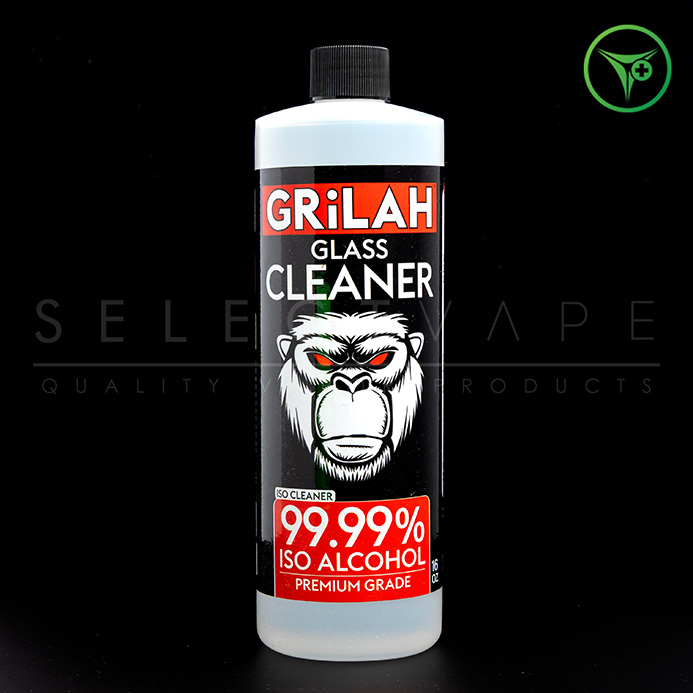
Disassemble your tank at least once a week and clean it with warm water. Let all components dry entirely before reassembly. For more thorough cleaning, especially to remove residuals, use isopropyl alcohol, then rinse with water and dry.
Coil Replacement
Coils don’t last forever. Replace them every 1-2 weeks or when you notice a drop in vapor production or a burnt taste. Always prime new coils by saturating the wick with e-liquid and letting it sit for a few minutes before use.
Learn More About Vape Tanks Today
As we’ve explored the various facets of vape tanks, it’s clear that your choice can significantly impact your vaping experience. Whether you’re a beginner looking to start with something simple and user-friendly or an experienced vaper in search of more complex setups to fine-tune your experience, there’s a tank out there that fits your needs. By understanding the differences in tank types, the importance of coil compatibility, and how to maintain your device, you can enhance both the flavor and the overall enjoyment of your vaping. Don’t hesitate to experiment with different tanks and settings to find what works best for you. Dive deeper into the world of vaping, refine your preferences, and learn more about vape tanks today to unlock a tailored vaping journey that elevates every puff.
Visit our Select Vape blog to learn more about vaping devices, nicotine alternatives, and more!