




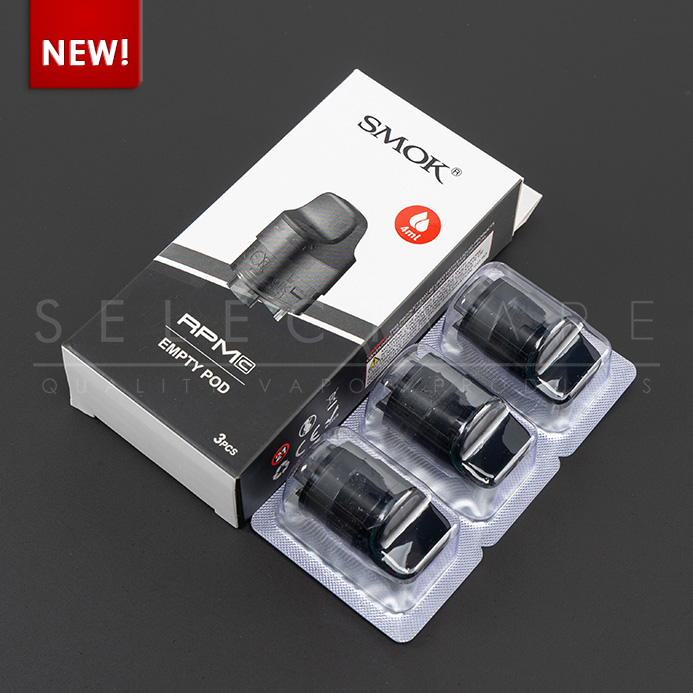





Vaping has emerged as a topic of global interest, straddling the realms of lifestyle choice, harm reduction, and public health discourse. As society grapples with the challenges of smoking-related health issues, vaping presents itself as a technological advancement with the potential to alter traditional narratives around nicotine consumption. This exploration delves into vaping’s multifaceted nature, offering clarity to those navigating the complexities of this modern phenomenon.
The Vape Anatomy
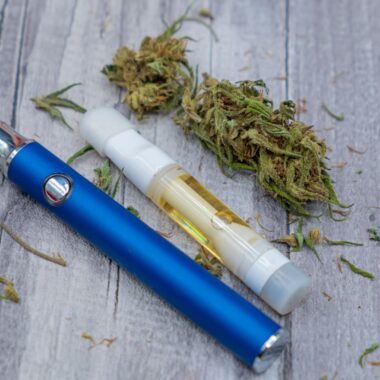
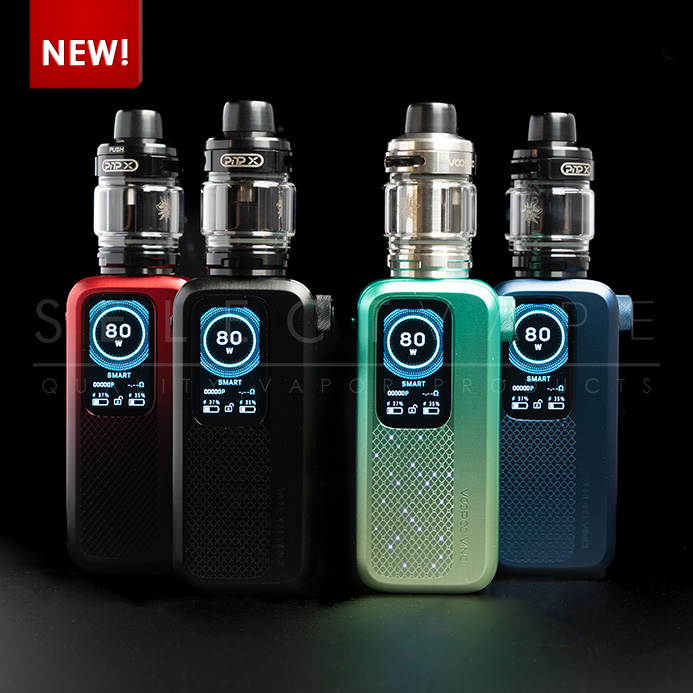
Vape devices come in many shapes and sizes but share a standard structure. Typically, a vape consists of the following:
Battery
The device’s power source. Depending on the type of vape, it can be rechargeable or disposable.
Atomizer
This is the heating element that vaporizes the e-liquid. It includes a coil that heats up when electricity is applied.
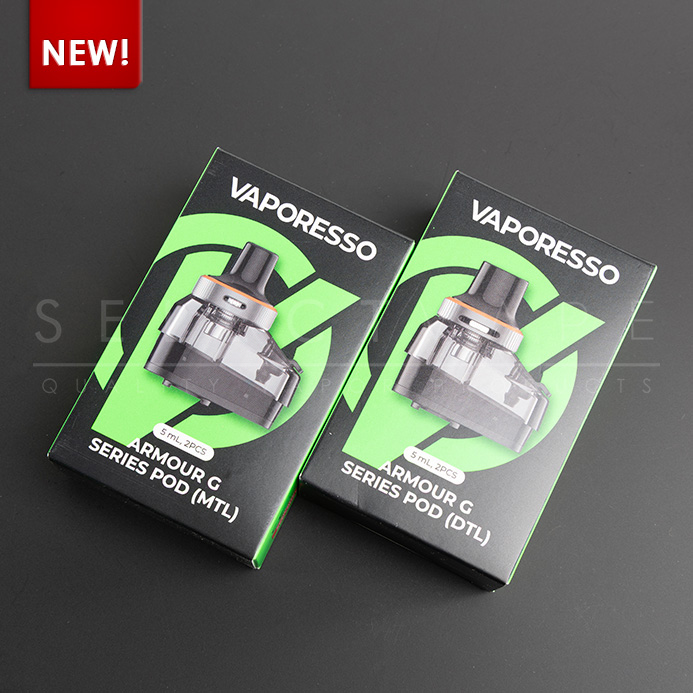
Tank/Cartridge
The container that holds the e-liquid. In some devices, this is refillable, while in others, it’s a replaceable cartridge.
Mouthpiece
The part through which the user inhales the vapor.
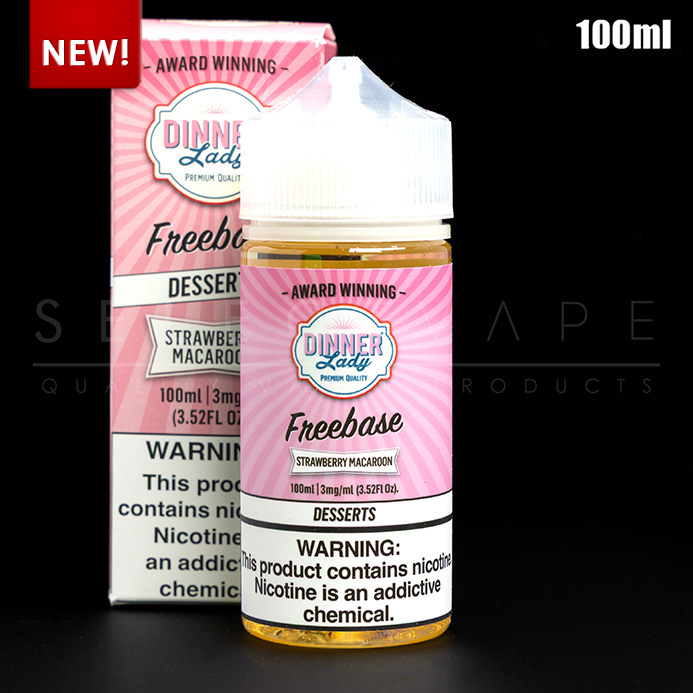
E-Liquid Ingredients
The e-liquid, or vape juice, is what gives vaping its flavor and, if desired, nicotine content. E-liquids are primarily made up of the following ingredients:
Propylene Glycol (PG)
A colorless, odorless liquid used as a base in many e-liquids. PG is known for producing a throat hit similar to that of smoking tobacco.
Vegetable Glycerin (VG)
A thick, sweet liquid. VG is used to produce large amounts of vapor. E-liquids with a higher VG content will create more vapor and a smoother hit.
Flavorings
Food-grade flavorings are added to e-liquid for a specific taste. These can range from fruit and dessert flavors to tobacco and menthol.
Nicotine
Optional. Nicotine can be added to e-liquids in various strengths. Some vapers use nicotine-free e-liquids.
Understanding Vape Flavors
The diversity of vape flavors is a significant part of vaping’s appeal. These flavors range from simple, single-note flavors like vanilla or cherry to complex blends that aim to replicate the taste of specific desserts or cocktails. The choice of flavor is a personal preference and plays a crucial role in the vaping experience.
The Role of Nicotine in Vapes
Nicotine is a controversial ingredient due to its addictive properties. However, in the context of vaping, it serves a specific purpose. For those using vapes as a means to quit smoking, nicotine levels can be gradually reduced over time, offering a way to taper off their dependency without the harmful byproducts of tobacco combustion.
Origins of Vaping: Tracing the Path to Modern E-Cigarette
The invention and evolution of vaping reflect a journey of innovation aimed at finding a less harmful alternative to traditional tobacco smoking. The story of how vaping came to be is marked by critical developments, from early conceptualizations to the modern e-cigarette we recognize today.
Vape’s Early Concepts
Using heat to vaporize a liquid for inhalation predates the specific invention of vaping for several decades. However, the modern journey toward vaping began earnestly with Herbert A. Gilbert in 1963. He patented the first device described as a “smokeless non-tobacco cigarette,” which proposed using heated, flavored air instead of burning tobacco. Despite receiving a patent, Gilbert’s device never reached commercial production, mainly because the health risks associated with smoking were less widely recognized at the time.
The Birth of the Modern Vape
The significant breakthrough in vaping technology came from Hon Lik, a Chinese pharmacist whose father, a heavy smoker, died of lung cancer. Motivated by his father’s death and his struggle with smoking, Lik sought to develop a safer alternative. He invented a device that utilized ultrasonic technology (later iterations used a heating element) to vaporize a liquid containing nicotine. This creation is widely recognized as the first modern e-cigarette. Hon Lik’s invention was driven by the desire to mimic the smoking experience without the harmful effects of tobacco combustion.

Global Expansion of Vape
Hon Lik’s e-cigarette was introduced to the European and American markets between 2006 and 2007, sparking interest and paving the way for the diverse and rapidly evolving vaping industry. The early models were simplistic, closely mimicking the look and feel of traditional cigarettes—these were often called “cig-a-likes.”
Innovation and Diversification of Vapes
As vaping gained popularity, the technology and designs evolved significantly. From the late 2000s to the 2010s, the market saw the introduction of vape pens, mods, and more advanced personal vaporizers. These offered improved battery life, vapor production, and the ability to customize settings and flavors. Alongside hardware developments, there was an explosion in the variety of e-liquids available, with flavors ranging from traditional tobacco to fruit, dessert, and even more exotic blends.
The history of vaping is a testament to the interplay between technological innovation, consumer demand, and public health. From its inception as an idea to its status as a mainstay in the landscape of nicotine products, vaping’s journey is ongoing, with future chapters yet to be written.
Benefits of Vaping
Vaping is often discussed in terms of its potential benefits, especially in comparison to smoking traditional cigarettes. However, it’s essential to approach the subject with an understanding that vaping involves risks. Still, it also offers specific benefits recognized in various studies and by some public health organizations.
Reduced Exposure to Harmful Chemicals
Traditional tobacco cigarettes contain thousands of chemicals, including at least 70 known carcinogens. Conversely, E-cigarettes produce an aerosol (often mistaken as water vapor) that contains fewer toxic substances. Unlike combustible cigarettes, vaping does not produce tar or carbon monoxide, two of the most harmful components of tobacco smoke.
Smoking Cessation and Reduction
For some smokers, vaping can serve as an effective tool for quitting smoking. E-cigarettes can mimic the physical act of smoking, which can help satisfy behavioral aspects of the addiction. Vaping allows users to control their nicotine intake, with options ranging from high-nicotine e-liquids to nicotine-free versions. That can be particularly useful for individuals trying to reduce their nicotine dependence gradually.
Health Improvement Potential
Smokers who switch to vaping may experience improvements in various health markers, such as lung function and heart health, and reduced symptoms related to smoking, like coughing and shortness of breath.
Public Health England has stated that vaping is at least 95% less harmful than smoking, although it’s important to note that “less harmful” does not mean “harmless.”
No Secondhand Smoke
The absence of smoke eliminates the risk of secondhand smoke, which is a significant health hazard associated with traditional cigarettes. However, secondhand exposure to e-cigarette aerosol is still a matter of research and public health concern.
Social and Aesthetic Considerations
Vaping does not leave the persistent odor of cigarette smoke on clothes, hair, and indoor environments. The wide range of available flavors can enhance the user experience, making vaping a more appealing alternative to smoking.
Cost-Effectiveness
Depending on the frequency of use and type of products purchased, vaping can be more cost-effective than cigarette packs’ ongoing expense.

Vape Safety and Regulation
The components and ingredients in vapes are subject to regulation in many countries. Regulations may dictate the maximum concentration of nicotine, the types of allowed ingredients, and the labeling requirements. These measures aim to ensure the safety of vape products for consumers.
How Is Vaping Different from Smoking?
Vaping and smoking are two methods of nicotine consumption that have fundamentally different processes and health implications. Here’s a breakdown of how vaping diverges from traditional smoking:
Method of Nicotine Delivery
Smoking involves burning tobacco leaves, which generates smoke that contains nicotine. This process releases thousands of chemicals, many of which are toxic and carcinogenic. On the other hand, vaping utilizes a device to heat a liquid (e-juice or vape juice) until it vaporizes. The vapor, which may contain nicotine, is then inhaled. Vaping does not involve combustion, significantly reducing the number of harmful chemicals released.
Chemical Composition
Combustion of tobacco in cigarettes produces over 7,000 chemicals, including at least 70 known to cause cancer. Smoke from cigarettes contains harmful substances like tar, carbon monoxide, and formaldehyde. E-liquids consist of propylene glycol (PG), vegetable glycerin (VG), flavorings, and optionally, nicotine. While not free from risks, the aerosol from vaping contains fewer toxic substances compared to cigarette smoke.
Secondhand Exposure
Secondhand smoke from cigarettes is a serious health hazard for non-smokers, contributing to various health problems, including respiratory infections, heart disease, and lung cancer. Secondhand exposure to vape aerosol is thought to be less harmful than secondhand smoke, but it can still contain nicotine and other substances. The long-term effects of secondhand exposure to vape aerosol still need to be fully understood.
Social and Aesthetic Aspects
Smoking leaves a strong odor on clothes, hair, and living spaces. Cigarette butts are a significant source of litter. Vaping generally does not leave a lingering smell and is more socially accepted in some environments. However, the visibility of vape clouds can be a point of contention.
Vape Regulation and Perception
Smoking is heavily regulated, with restrictions on sales, advertising, and smoking in public places due to the well-established health risks. Vaping is subject to increasing regulation, including restrictions on sale to minors and use in public spaces, though rules vary widely by jurisdiction. Public perception is mixed, influenced by ongoing research into health impacts and the role of vaping in smoking cessation.
While vaping offers a less harmful alternative to smoking, especially for current smokers looking to reduce their risk of smoking-related diseases, it is not without its own set of risks and controversies. Both practices involve nicotine, which is addictive, but the method of delivery and the associated health implications differ significantly. As research continues, the knowledge base about vaping and its long-term effects will expand, helping individuals make informed decisions about their health.
Vaping as a Healthier Path Forward for Smokers
In navigating the complexities of vaping versus smoking, it’s clear that while both practices carry inherent risks, vaping emerges as a notably less harmful alternative for those seeking to distance themselves from the numerous health hazards of traditional tobacco smoking.
Vaping can be a transformative step towards a healthier lifestyle for current smokers, offering a bridge to potentially reduce nicotine dependence in a manner that respects the ritual and satisfaction that many seek from smoking. As we continue to learn and adapt to the evolving landscape of nicotine consumption, the potential of vaping as a tool for harm reduction and smoking cessation shines brightly, offering hope and a path forward for millions striving for a healthier future.
Visit our Select Vape blog today to learn more about our available vape devices and accessories.